
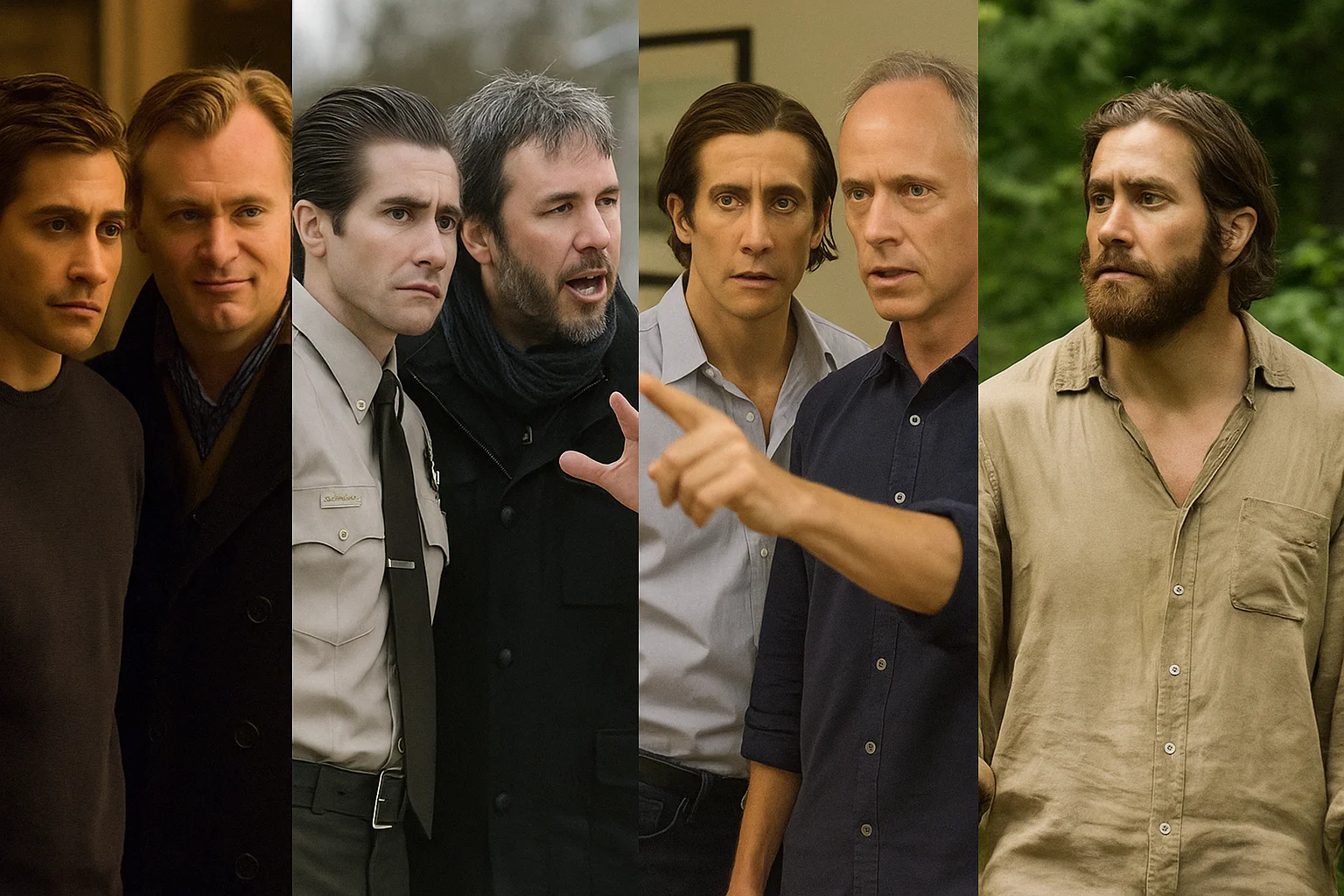
Jake Gyllenhaal stands out as one of the most adaptable actors of his generation. His skill in fully embracing diverse characters has earned him both critical acclaim and meaningful partnerships with some of the most respected directors in the film industry. This post highlights Gyllenhaal’s relationships with various directors, showcasing the collaborative success stories that have emerged from these partnerships.
The Art of Collaboration
Collaboration is vital in filmmaking. It requires a mutual exchange between actors and directors, each bringing their unique perspectives to form a unified vision. For Gyllenhaal, nurturing this collaborative spirit has been fundamental to his career. His unwillingness to shy away from challenge has led to remarkable performances in contemporary cinema.
Gyllenhaal’s collaboration style is built on open dialogue and a shared commitment to storytelling. He often chooses directors who push him to explore new dimensions in his craft. This connection has resulted in a series of successful films that not only spotlight Gyllenhaal’s talent but also reflect the creative visions of the directors he partners with.
Working with Denis Villeneuve
One of Gyllenhaal’s standout collaborations has been with director Denis Villeneuve. Their partnership began with the psychological thriller “Prisoners” (2013). Gyllenhaal played the role of Detective Loki, a challenging character requiring a balance of intensity and vulnerability. Villeneuve’s precise direction allowed Gyllenhaal to dive deeply into his character, crafting a performance that was haunting yet compelling. This movie grossed over $61 million at the box office and received praise from critics, showcasing Gyllenhaal’s impressive range.
Their collaboration continued with “Enemy” (2013), where Gyllenhaal took on dual roles Adam and Anthony. This surreal narrative intertwined their lives, and Villeneuve’s ambitious vision brought Gyllenhaal’s versatility front and center. The film gained critical acclaim and further established their successful partnership.
The Unique Vision of Richard Kelly
Another pivotal collaboration for Gyllenhaal came when he worked with director Richard Kelly on “Donnie Darko” (2001). This cult classic blends science fiction with psychological drama, featuring Gyllenhaal as the troubled teen Donnie. Kelly’s distinct vision and Gyllenhaal’s performance resonated powerfully with audiences and critics alike.
Gyllenhaal’s portrayal of Donnie captured the essence of teenage angst and existential dread—perfectly aligning with Kelly’s narrative style. The film’s exploration of time travel and mental health not only showcased Gyllenhaal’s ability to handle complex emotions but also established him as a leading actor capable of navigating intricate narratives. “Donnie Darko” has maintained a strong cultural impact, with a 85% rating on Rotten Tomatoes.
Collaborating with David Fincher
David Fincher is another director with whom Gyllenhaal has forged a successful partnership. Their joint effort in “Zodiac” (2007) serves as a perfect illustration of how Gyllenhaal’s commitment aligns with Fincher’s meticulous crafting. Playing Robert Graysmith, a cartoonist obsessed with the Zodiac killer case, Gyllenhaal showcased his talent for portraying obsession and determination.
Fincher’s precision in directing, paired with Gyllenhaal’s depth in performance, led to a gripping narrative that gripped audiences. “Zodiac” grossed over $84 million domestically and solidified Gyllenhaal’s standing as one of Hollywood’s leading actors.
The Impact of Antoine Fuqua
Gyllenhaal collaborated with director Antoine Fuqua in the sports drama “Southpaw” (2015), revealing another dimension of his acting skills. In this film, Gyllenhaal plays Billy Hope, a boxer grappling with personal and professional turmoil. Fuqua’s direction highlighted Gyllenhaal’s physicality and emotional depth, resulting in a raw, powerful performance that resonated deeply with viewers.
Gyllenhaal’s transformation for the role required intense physical training and weight loss, demonstrating his unwavering commitment to his craft. The film’s exploration of themes like redemption and resilience earned positive audience reactions and favorable reviews, reinforcing the impact of their collaboration.
The Visionary Work of Dan Gilroy
Gyllenhaal’s partnership with director Dan Gilroy produced remarkable results in “Nightcrawler” (2014). In this film, Gyllenhaal eloquently portrays Lou Bloom, an ambitious freelance videographer who captures crime scenes for news outlets.
Gilroy’s sharp script combined with Gyllenhaal’s chilling performance crafted a film that was both thrilling and thought-provoking. Gyllenhaal’s portrayal of Bloom exhibited ambition and ruthlessness, delving into the darker aspects of human nature. The film, which grossed over $32 million, received critical acclaim and earned Gyllenhaal a nomination for the Academy Award for Best Actor, solidifying their successful collaboration.
Exploring New Territories with Paul Dano
In recent years, Gyllenhaal also collaborated with actor-turned-director Paul Dano in “Wildlife” (2018). This coming-of-age drama set in the 1960s explores the effects of a family crisis on a young boy. Gyllenhaal’s role as Jerry Brinson, a father battling his own challenges, showcased his vulnerability and complexity as an actor.
Dano’s directorial debut demonstrated a keen understanding of character dynamics, resulting in a poignant exploration of family and identity. “Wildlife” received positive reviews, highlighting Gyllenhaal’s continuous growth as an actor willing to explore new narratives.
The Future of Gyllenhaal’s Collaborations
As Jake Gyllenhaal continues to grow as an actor, his relationships with directors will play a vital role in his future endeavors. His readiness to work with diverse filmmakers and explore a range of genres reflects his dedication to the craft.
Gyllenhaal’s ability to adapt to various directorial styles ensures he remains relevant in an ever-evolving industry. Whether collaborating with established directors or taking chances with emerging talents, Gyllenhaal’s collaborative spirit is likely to lead to continued success stories.
Final Thoughts
Jake Gyllenhaal’s partnerships with directors have significantly shaped his career, resulting in numerous collaborative successes that have influenced the film industry. From his impactful work with Denis Villeneuve to collaborations with Richard Kelly, David Fincher, Antoine Fuqua, and Paul Dano, Gyllenhaal consistently engages deeply with his material and breathes life into his characters.
As he embraces new challenges and explores diverse narratives, Gyllenhaal’s collaborative spirit will likely yield more extraordinary performances and innovative films. The synergy between Gyllenhaal and the directors he works with reminds us of the power of collaboration in storytelling, enriching the cinematic experience for audiences worldwide.
FAQS
Which directors has Jake Gyllenhaal worked with multiple times?
Jake Gyllenhaal has collaborated multiple times with Denis Villeneuve, notably on Prisoners and Enemy. Their creative chemistry has produced some of his most acclaimed performances.
What makes Gyllenhaal’s collaboration with Denis Villeneuve special?
Their partnership is built on mutual trust and shared creative ambition. Villeneuve’s precise, atmospheric direction allows Gyllenhaal to explore emotional depth, resulting in layered, memorable performances.
How did “Donnie Darko” influence Jake Gyllenhaal’s career?
Working with Richard Kelly on Donnie Darko was a turning point. The film became a cult classic and showcased Gyllenhaal’s ability to handle complex psychological roles early in his career.
What was unique about Jake Gyllenhaal’s work with David Fincher in “Zodiac”?
Under Fincher’s meticulous direction, Gyllenhaal honed his subtlety and patience as an actor. His portrayal of Robert Graysmith displayed obsession and determination with controlled intensity.
How did Jake Gyllenhaal prepare for his role in “Southpaw”?
Gyllenhaal underwent intense physical training and followed a strict diet for six months to authentically portray a professional boxer. Antoine Fuqua’s direction helped channel that physical transformation into emotional storytelling.