
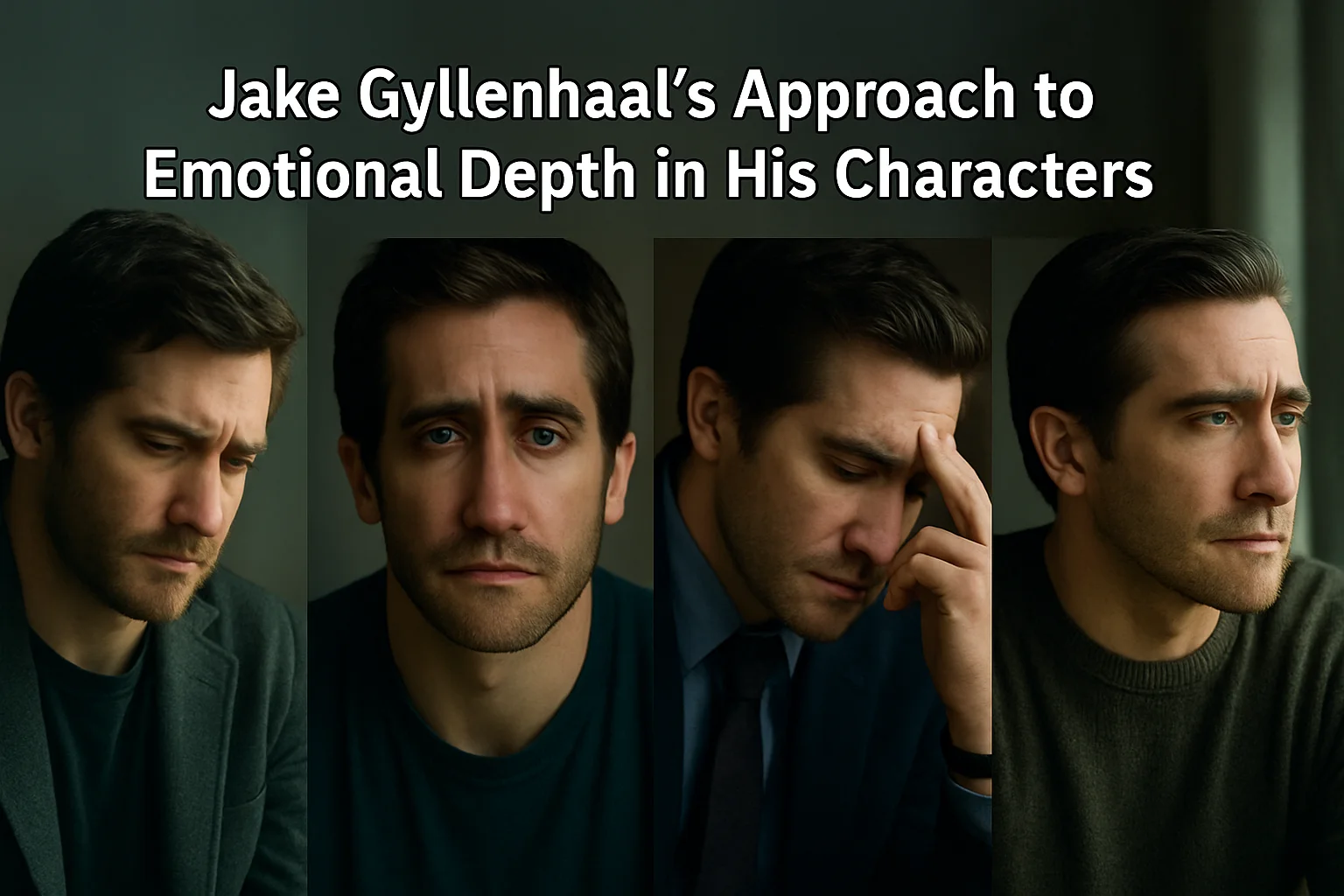
Few actors in modern cinema are as versatile and emotionally compelling as Jake Gyllenhaal. From the unsettling intensity of Nightcrawler to the quiet heartbreak of Brokeback Mountain and the raw vulnerability in Southpaw, Gyllenhaal has carved a reputation for diving deep into the emotional psychology of his characters.
Unlike actors who rely heavily on charisma or typecasting, Gyllenhaal’s strength lies in his ability to portray authentic human emotion, making audiences feel both the fragility and strength of his roles. His performances linger long after the credits roll because they go beyond surface-level acting they explore the human condition.
The Gyllenhaal Acting Philosophy
Embracing Vulnerability
At the core of Gyllenhaal’s work is vulnerability. He often chooses characters who are conflicted, flawed, and emotionally scarred. Instead of portraying “perfect heroes,” he gravitates toward layered roles that reflect the messy reality of human life.
Commitment to Physical and Emotional Transformation
Gyllenhaal is known for extreme dedication, whether losing weight for Nightcrawler, bulking up for Southpaw, or embracing psychological turmoil in Prisoners. These transformations go beyond physicality; they allow him to fully immerse himself in the emotional journey of his characters.
Choosing Complex Stories
His filmography reflects a deliberate pattern: he often collaborates on projects that challenge mainstream storytelling. By working with directors like Denis Villeneuve (Enemy, Prisoners) and Ang Lee (Brokeback Mountain), he ensures that his roles carry emotional weight and thematic depth.
Signature Performances That Showcase Emotional Depth
Brokeback Mountain (2005)
As Jack Twist, Gyllenhaal captured the aching vulnerability of forbidden love. His nuanced performance conveyed longing, frustration, and unspoken emotion solidifying him as one of his generation’s finest dramatic actors.
Nightcrawler (2014)
In Lou Bloom, Gyllenhaal crafted one of the most unsettling yet fascinating characters of modern cinema. His hollowed appearance and eerie intensity made the character a chilling study of ambition and moral decay.
Prisoners (2013)
Detective Loki became more than a supporting role Gyllenhaal infused him with nervous tics, piercing stares, and emotional restraint that hinted at a deeper, unspoken backstory.
Southpaw (2015)
As Billy Hope, Gyllenhaal turned a boxing drama into an emotional journey of grief, redemption, and paternal love. His performance was praised for its rawness and authenticity.
Stronger (2017)
Portraying Boston Marathon bombing survivor Jeff Bauman, Gyllenhaal brought hope, resilience, and vulnerability to the screen, avoiding clichés and instead focusing on the humanity of recovery.
How Gyllenhaal Creates Emotional Resonance
- Research-Driven Performances – He immerses himself in backstories, often spending months studying psychology or the professions of his characters.
- Body Language and Micro-Expressions – Gyllenhaal’s performances often rely on subtle facial cues rather than heavy dialogue.
- Emotional Authenticity – His characters don’t just “act” emotions; they embody them, allowing audiences to relate on a deeper level.
- Collaborative Spirit – Directors often note his willingness to experiment, which leads to authentic, surprising performances.
The Evolution of Jake Gyllenhaal’s Career
Over two decades, Gyllenhaal has transitioned from teen dramas (Donnie Darko) to blockbusters (Spider-Man: Far From Home) while maintaining artistic credibility. What sets him apart is his consistent pursuit of emotionally challenging roles, ensuring that even in mainstream projects, his characters remain layered and psychologically rich.
The Future of Gyllenhaal’s Emotional Storytelling
With upcoming projects spanning thrillers, dramas, and action films, Gyllenhaal shows no sign of slowing down. Audiences and critics alike anticipate that his future performances will continue to push the boundaries of emotional storytelling in cinema.
Conclusion: The Art of Feeling on Screen
Jake Gyllenhaal’s approach to emotional depth makes him one of the most compelling actors of his generation. By embracing vulnerability, committing to transformation, and prioritizing complex narratives, he consistently delivers performances that resonate with authenticity.
His career proves that acting at its highest level is not about spectacle it’s about truth. And Gyllenhaal has mastered the art of truth in performance.
FAQs
What makes Jake Gyllenhaal unique as an actor?
His ability to blend vulnerability with intensity, creating characters that feel deeply human and emotionally resonant.
Which Jake Gyllenhaal role best shows his emotional depth?
Brokeback Mountain, Nightcrawler, and Stronger are often cited as his most emotionally layered performances.
How does Gyllenhaal prepare for emotionally demanding roles?
He uses immersive research, physical transformation, and deep psychological study to fully embody his characters.
Is Jake Gyllenhaal better in dramatic or action roles?
While versatile in both, his dramatic roles highlight his emotional range, though he also brings depth to action characters.
Which directors has Jake Gyllenhaal frequently worked with?
He has collaborated multiple times with Denis Villeneuve (Prisoners, Enemy) and often seeks visionary directors who prioritize character depth.
Has Gyllenhaal won major awards for his performances?
He has been nominated for an Academy Award (Brokeback Mountain) and received numerous critics’ awards, though an Oscar win still eludes him.
Why do audiences connect so strongly with Jake Gyllenhaal’s characters?
His characters reflect authentic emotions, struggles, and vulnerabilities, making them deeply relatable.