
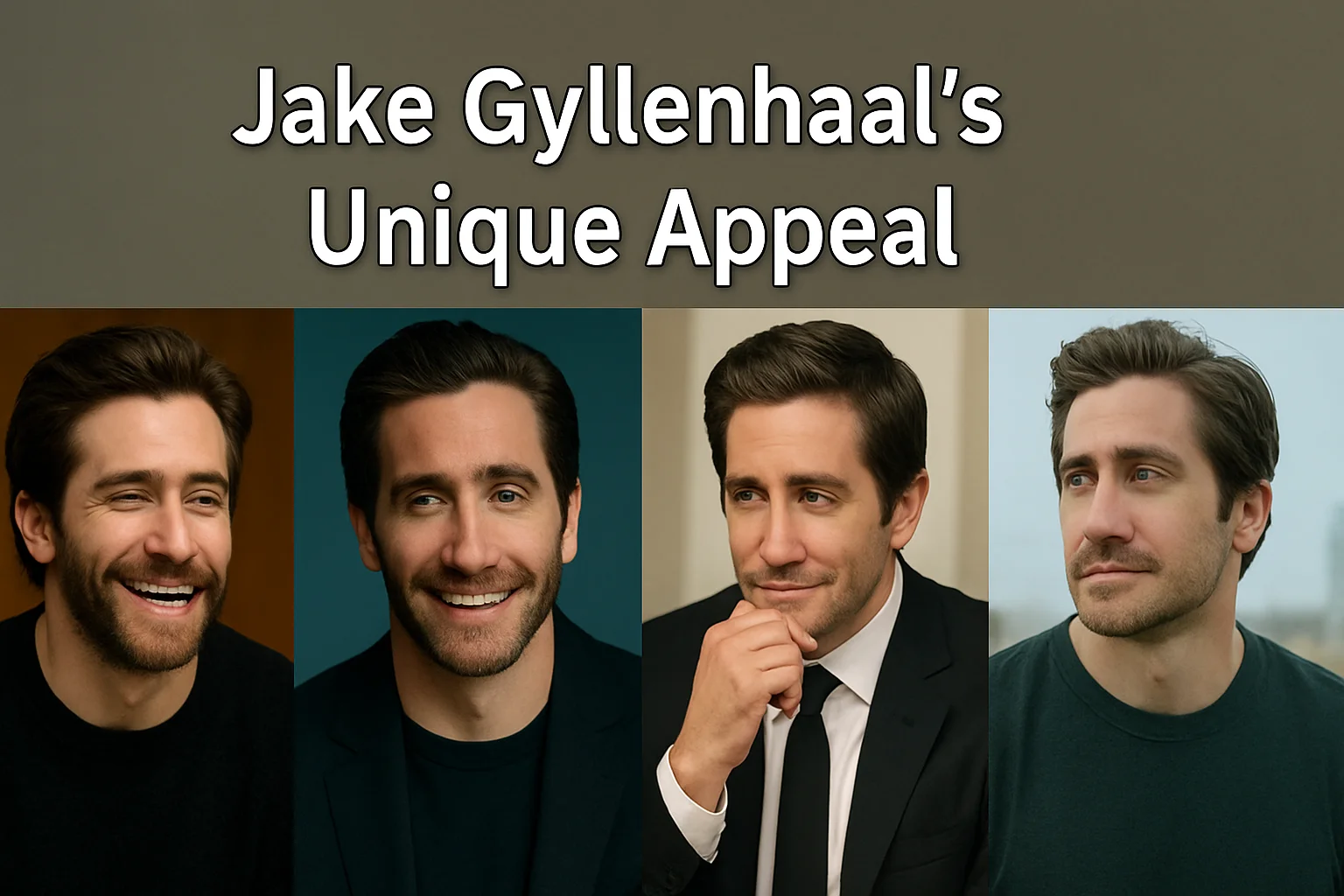
In an era dominated by franchises, spectacle-driven blockbusters, and formulaic performances, some actors rise above the noise by offering audiences something deeper: authenticity. Jake Gyllenhaal is one of those rare actors. With a career spanning more than two decades, he has earned a reputation as a performer who fully immerses himself in his roles, delivering characters that are vulnerable, complex, and emotionally unforgettable.
But what exactly makes him so appealing to fans across generations? Why do his performances linger in the cultural imagination, sparking discussions long after a film’s release? The answer lies in a combination of raw emotional depth, versatility across genres, dedication to craft, and a connection to audiences that feels genuine both on and off the screen.
This article takes a deep dive into Jake Gyllenhaal’s unique appeal, exploring not only his performances but also his acting philosophy, cultural impact, and the personal qualities that make him one of Hollywood’s most beloved stars.
Early Career and Breakthrough Roles
October Sky (1999): The First Taste of Stardom
Jake Gyllenhaal’s career began long before the world saw him as a leading man. His breakout role came in October Sky, where he played Homer Hickam, a young man from a small coal-mining town with big dreams of becoming a NASA engineer. His performance was praised for its sincerity and relatability, showcasing his natural ability to portray ambition mixed with vulnerability.
For many fans, October Sky remains a nostalgic touchstone proof that Gyllenhaal had star power from the very beginning.
Donnie Darko (2001): Cult Classic Status
Two years later, Gyllenhaal delivered one of the most memorable performances of his early career in Richard Kelly’s Donnie Darko. As a troubled teenager plagued by visions of a giant rabbit and themes of fate, time travel, and mental illness, Gyllenhaal captivated audiences with a performance that was both haunting and tender.
The film developed a cult following, and Gyllenhaal’s portrayal of Donnie became a defining role that set the tone for his career: emotionally layered, psychologically complex, and endlessly compelling.
Defining Jake Gyllenhaal’s Acting Style
Jake Gyllenhaal is often described as a chameleon actor, someone who can slip into vastly different roles without losing authenticity. But his acting style is less about transformation for its own sake and more about emotional truth.
Method vs. Authentic Emotion
Unlike strict method actors, Gyllenhaal’s approach is flexible. He immerses himself deeply in research and physical preparation but never lets it overshadow emotional realism. His performances balance technical discipline with spontaneity, allowing him to feel alive and natural in front of the camera.
Vulnerability and Intensity
Fans love Gyllenhaal because he’s not afraid to expose vulnerability. Whether he’s playing a grieving boxer in Southpaw or a morally ambiguous journalist in Nightcrawler, his characters resonate because they feel flawed, fragile, and human.
At the same time, his intensity can be chilling. In Prisoners, his nervous tics and penetrating gaze created a detective who was both enigmatic and emotionally compelling. In Nightcrawler, his gaunt appearance and obsessive mannerisms made Lou Bloom one of the most unsettling antiheroes in modern cinema.
Body Language and Micro-Expressions
One of Gyllenhaal’s greatest tools is his control of body language. Small gestures a glance, a nervous twitch, a shift in posture often reveal more than dialogue. Fans pick up on these details, which make his characters feel alive and psychologically rich.
Versatility Across Genres
Unlike many actors who stick to a single niche, Jake Gyllenhaal thrives in a wide range of genres. His ability to adapt allows him to maintain credibility with critics while appealing to mainstream audiences.
Drama: The Power of Vulnerability
In Brokeback Mountain, Gyllenhaal’s Jack Twist conveyed the quiet ache of forbidden love, a performance that earned him an Academy Award nomination. In Stronger, he portrayed real-life Boston Marathon bombing survivor Jeff Bauman with raw honesty, avoiding clichés and focusing on the human cost of trauma.
Thrillers: Tension and Complexity
Films like Prisoners and Enemy demonstrated Gyllenhaal’s ability to thrive in psychological thrillers. His layered performances kept audiences on edge, often blurring the line between protagonist and antagonist.
Action: Physical Transformation
In Southpaw, Gyllenhaal stunned fans by transforming into a ripped boxer, undergoing months of grueling training. Even in big-budget films like Spider-Man: Far From Home, he brought depth to Mysterio, turning what could have been a stock villain into a layered character.
Indie Films: Artistic Credibility
From End of Watch to Demolition, Gyllenhaal has consistently sought indie roles that allow him to explore unconventional narratives. This balance between mainstream and indie projects has earned him respect as an actor who values artistry over box office numbers.
Jake Gyllenhaal’s Most Beloved Performances
While Jake Gyllenhaal’s filmography is vast, a handful of roles stand out as cornerstones of his reputation. These performances not only showcase his range but also reflect why fans find him so captivating.
Brokeback Mountain (2005): A Landmark of Vulnerability
In Ang Lee’s Brokeback Mountain, Gyllenhaal delivered a career-defining performance as Jack Twist. His portrayal of a man struggling with forbidden love was layered with longing, heartbreak, and quiet resilience. The film challenged Hollywood norms about masculinity and sexuality, and Gyllenhaal’s sensitive approach made the character unforgettable.
Fans and critics alike point to Brokeback Mountain as a milestone not just for LGBTQ+ representation but also as proof that Gyllenhaal thrives in emotionally demanding roles that require subtlety.
Nightcrawler (2014): The Art of Transformation
Lou Bloom, the protagonist of Dan Gilroy’s Nightcrawler, is one of cinema’s most chilling antiheroes. For the role, Gyllenhaal lost significant weight, developed an unnerving physical stillness, and crafted a character obsessed with ambition and manipulation.
What makes the performance so beloved is its duality: audiences are repulsed by Lou yet can’t look away. Fans admire Gyllenhaal for his fearlessness in playing characters who are morally unsettling but psychologically fascinating.
Prisoners (2013): Subtle Intensity
As Detective Loki in Denis Villeneuve’s Prisoners, Gyllenhaal created a character marked by nervous tics, tattoos, and a brooding intensity. Instead of overplaying the role, he made subtle choices that gave Loki a lived-in authenticity.
Many fans cite this as their favorite Gyllenhaal performance because it demonstrates his ability to build depth from small details rather than dramatic speeches.
Southpaw (2015): Dedication to Physical and Emotional Transformation
In Southpaw, Gyllenhaal played Billy Hope, a champion boxer whose life spirals after personal tragedy. For the role, he underwent months of intense boxing training, transforming his body into that of a professional fighter.
Fans admire Southpaw not just for the physical transformation but for the emotional vulnerability Gyllenhaal brought to the character. Beneath the muscles and fight sequences, he captured grief, rage, and the struggle for redemption.
Stronger (2017): Realism in Biographical Storytelling
Portraying Boston Marathon bombing survivor Jeff Bauman, Gyllenhaal avoided clichés of inspirational storytelling. Instead, he focused on the raw, difficult realities of recovery, delivering a performance that felt honest and respectful.
This role deepened his connection with fans, many of whom praised the sensitivity he brought to portraying real-life trauma without exploitation.
Emotional Depth and Relatability
One of Jake Gyllenhaal’s defining appeals is his ability to make audiences feel deeply connected to his characters. He doesn’t just “act” emotions he embodies them in a way that resonates on a personal level.
Characters with Flaws
Audiences often connect with flawed characters because they mirror real human struggles. Gyllenhaal excels in portraying characters who are messy, conflicted, and imperfect. From Lou Bloom’s moral corruption to Billy Hope’s anger issues, these flaws make his roles believable.
Balancing Strength and Vulnerability
Gyllenhaal’s performances frequently blend toughness with fragility. In Southpaw, for example, his physical dominance in the ring is offset by his emotional breakdowns outside it. This balance makes his characters feel multidimensional.
Empathy Through Subtlety
Fans often highlight Gyllenhaal’s ability to convey emotion through subtle expressions a glance, a pause, or a nervous tic. Instead of spelling everything out through dialogue, he invites audiences to interpret his characters’ inner worlds.
Dedication to Craft: Why Fans Respect His Commitment
Jake Gyllenhaal’s performances feel authentic because he dedicates himself fully to preparation. His reputation as a “chameleon actor” comes not just from natural talent but from intense research and training for each role.
Physical Transformations
- Nightcrawler: Lost over 20 pounds to create Lou Bloom’s gaunt, hungry appearance.
- Southpaw: Gained 15 pounds of muscle through months of boxing training, sparring with real fighters.
- End of Watch: Completed five months of police academy training with co-star Michael Peña.
- These transformations aren’t gimmicks; they allow him to embody characters more convincingly.
Psychological Immersion
Gyllenhaal also commits to the psychological depth of his roles. For Enemy, he worked closely with Denis Villeneuve to explore themes of duality and identity. For Prisoners, he developed backstory details for Detective Loki, like his nervous blinking and tattoos that were never explicitly written in the scrip,t but added authenticity.
Collaborations with Directors
Gyllenhaal has built strong partnerships with visionary directors like Denis Villeneuve, Ang Lee, and Dan Gilroy. These collaborations reflect his pursuit of storytelling that prioritizes emotional truth over commercial appeal.
Fan Connection: Beyond the Screen
Fans don’t just love Jake Gyllenhaal for his roles they admire him as a person. His off-screen persona is a major part of his unique appeal.
Grounded in Interviews
In interviews, Gyllenhaal often comes across as humble, thoughtful, and slightly self-deprecating. Unlike some Hollywood stars who maintain an untouchable image, he appears approachable and genuine.
Dedication to Theater
Beyond film, Gyllenhaal has dedicated time to theater productions, including Broadway roles. Fans respect that he doesn’t chase only blockbuster fame but also values the craft of acting.
Balance of Indie and Mainstream
Gyllenhaal has carefully navigated his career by balancing smaller indie projects (Demolition, Enemy) with mainstream successes (Spider-Man: Far From Home). This balance shows fans that he prioritizes artistry while still embracing mass audiences.
Cultural Impact: How Jake Gyllenhaal Shapes Conversations
Jake Gyllenhaal’s influence extends far beyond his filmography. His roles often spark cultural conversations about identity, morality, and representation.
Redefining Masculinity in Hollywood
Through roles like Jack Twist (Brokeback Mountain) and Billy Hope (Southpaw), Gyllenhaal challenges the stereotype of the one-dimensional male hero. He portrays men who are vulnerable, conflicted, and emotional, reminding audiences that masculinity can encompass tenderness and fragility without undermining strength.
Exploring the Dark Side of Ambition
In Nightcrawler, Lou Bloom embodies the dangers of unchecked ambition and media exploitation. The character has become a cultural symbol for discussions about ethics in journalism, capitalism, and the pursuit of success at any cost.
Contribution to LGBTQ+ Representation
Brokeback Mountain remains one of the most significant LGBTQ+ films in cinema history. Gyllenhaal’s sensitive performance helped normalize same-sex love stories in mainstream Hollywood, paving the way for greater representation in the years that followed.
Awards and Recognition
Though often praised for his performances, Jake Gyllenhaal has a complicated relationship with awards.
- Academy Awards: Nominated once (Best Supporting Actor for Brokeback Mountain). Many critics argue he was overlooked for Nightcrawler and Prisoners.
- BAFTA Awards: Won Best Supporting Actor (Brokeback Mountain).
- Golden Globes: Multiple nominations, particularly for Nightcrawler and Love & Other Drugs.
- Stage Recognition: He has received acclaim for his Broadway performances, showing his versatility across mediums.
Fans often express frustration at his lack of Oscars compared to the depth of his work. However, this has arguably enhanced his underdog appeal he’s admired more for artistic integrity than for chasing awards.
Future Career: What Fans Can Expect
Gyllenhaal’s upcoming roles suggest his dedication to balancing commercial projects with complex storytelling will continue.
- Road House (2024): A remake where he plays an ex-UFC fighter. Fans are excited to see how his physicality will redefine the cult classic.
- The Interpreter (with Guy Ritchie): A war drama that promises another emotionally intense role.
- Rumored Villain Roles: After his turn as Mysterio in Spider-Man: Far From Home, fans speculate he may return to the Marvel Cinematic Universe.
Given his track record, audiences expect Gyllenhaal to keep surprising them with roles that challenge both himself and his viewers.
The Essence of Jake Gyllenhaal’s Appeal
Jake Gyllenhaal’s career is defined by contradiction he is both a mainstream star and an indie darling, both physically transformative and emotionally subtle, both mysterious and deeply relatable. Fans love him not only for the roles he plays but for the way he elevates cinema itself.
His performances resonate because they are layered with empathy, vulnerability, and a commitment to truth. Whether he’s playing a troubled detective, a manipulative antihero, or a grieving boxer, Gyllenhaal offers audiences a mirror one that reflects not just characters but the complexities of humanity itself.
That is the essence of his unique appeal: he makes us feel, question, and reflect long after the credits roll.
FAQs
What is Jake Gyllenhaal’s most famous role?
While he’s known for many performances, his roles in Brokeback Mountain, Nightcrawler, and Prisoners are considered his most iconic.
Why do fans admire Jake Gyllenhaal so much?
Fans love his ability to balance emotional vulnerability with intensity, his dedication to craft, and his willingness to take on challenging and unconventional roles.
Did Jake Gyllenhaal win an Oscar for Brokeback Mountain?
No, he was nominated for Best Supporting Actor but lost. However, he did win a BAFTA for the performance.
How does Jake Gyllenhaal prepare for his roles?
He undergoes intense physical training when necessary (as in Southpaw), researches psychological details, and collaborates closely with directors to build authentic characters.
What makes his role in Nightcrawler so memorable?
Gyllenhaal created a chillingly realistic antihero by physically transforming and embodying Lou Bloom’s unsettling ambition with eerie precision.
Has Jake Gyllenhaal done theater?
Yes, he has performed on Broadway in plays and musicals, earning critical acclaim for his stage work in addition to his film career.
Which directors has Jake Gyllenhaal collaborated with most often?
He has built strong creative partnerships with Denis Villeneuve (Prisoners, Enemy), Ang Lee (Brokeback Mountain), and Dan Gilroy (Nightcrawler).
What are Jake Gyllenhaal’s upcoming projects?
Major projects include Road House (2024) and The Interpreter, along with rumored future roles in action and drama films.
What type of characters does Jake Gyllenhaal usually play?
He often portrays complex, emotionally conflicted characters from troubled detectives to morally ambiguous antiheroes.
Why is Jake Gyllenhaal considered underrated?
Despite consistent critical acclaim, he has fewer major awards than many of his peers, leading fans to view him as one of Hollywood’s most underrated actors.