
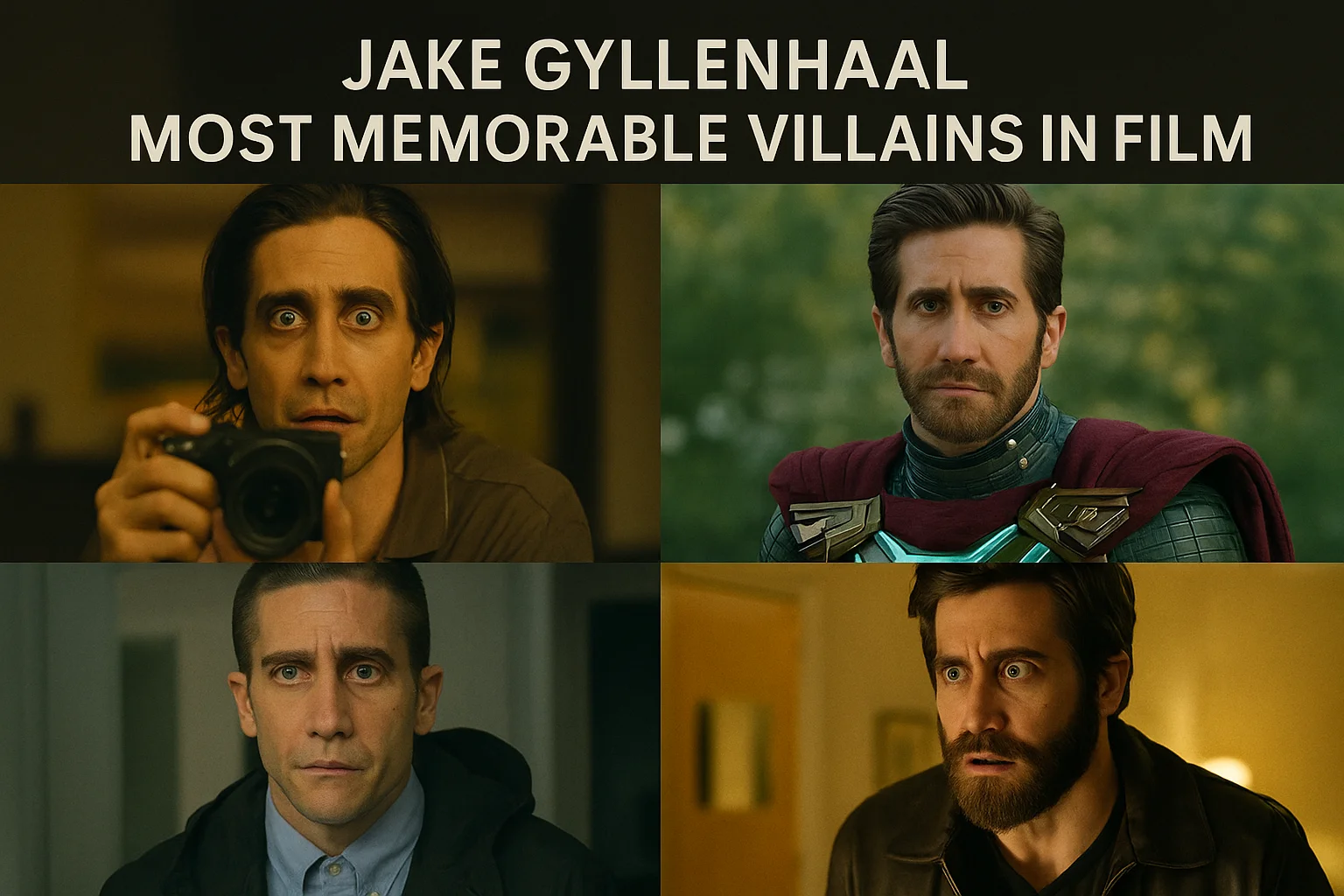
Jake Gyllenhaal is widely celebrated for his versatility, but some of his most unforgettable performances come when he embraces the darker side of cinema. From morally ambiguous antiheroes to chilling villains, Gyllenhaal has built a reputation for bringing psychological depth and unsettling intensity to his roles.
Whether it’s the manipulative Lou Bloom in Nightcrawler, the enigmatic Detective Loki in Prisoners, or the violent grit of Southpaw, Gyllenhaal has proven he can turn darkness into artistry. This deep dive explores his villainous roles, how they shaped his career, his critical and commercial impact, and the legacy these characters leave in modern cinema.
Key Takeaways
The key takeaway is that Jake Gyllenhaal’s villain roles are defined by complexity, transformation, and an uncanny ability to humanize darkness. From psychological thrillers to action dramas, he consistently crafts antagonists who are as fascinating as they are terrifying. His work in Nightcrawler, Prisoners, and Southpaw reveals not only his acting range but also his commitment to exploring the unsettling truths of human nature.
What Are the Most Defining Villain Roles in Jake Gyllenhaal’s Career?
Jake Gyllenhaal’s filmography includes some of cinema’s most memorable villains and morally complex figures. These performances highlight his mastery of psychological depth, body transformation, and emotional realism.
Early Roles That Foreshadowed His Dark Side
Before fully embracing villainous roles, Gyllenhaal hinted at his darker potential in unconventional characters.
Donnie Darko – Troubled Outsider with a Dark Edge (2001): Though not a traditional villain, his portrayal of a disturbed teenager showcased his ability to channel inner turmoil and moral ambiguity. The role foreshadowed his future in psychologically complex characters.
Jarhead – Morally Conflicted Soldier (2005): In Jarhead, Gyllenhaal tapped into the darker psychological struggles of a Marine during the Gulf War, revealing the aggression, frustration, and vulnerability beneath the surface.
Psychological Thrillers That Defined His Villainous Reputation
These roles elevated Gyllenhaal’s status as one of Hollywood’s go-to actors for chilling, layered performances.
Nightcrawler – The Quintessential Villain (2014): Lou Bloom is one of cinema’s most haunting modern villains. Obsessed with success at any cost, Bloom’s manipulative, emotionless nature earned Gyllenhaal some of the best reviews of his career. His gaunt appearance and unsettling energy made the role a career-defining transformation.
Prisoners – Detective Loki’s Moral Ambiguity (2013): While technically on the side of justice, Detective Loki embodies shades of moral darkness. His obsessive nature, cryptic behavior, and morally grey methods made him one of Gyllenhaal’s most mysterious and unsettling characters.
Intense Physical and Violent Roles
Beyond psychological manipulation, Gyllenhaal has explored villains through raw physicality and aggression.
Southpaw – Rage-Fueled Transformation (2015): As boxer Billy Hope, Gyllenhaal plays a man consumed by anger and self-destruction. While not a villain in the traditional sense, his violent outbursts and inner demons make him his own greatest antagonist, blurring the line between hero and villain.
Enemy – Dual Roles and Psychological Menace (2013): Playing both Adam and Anthony, Gyllenhaal crafts a disturbing study of identity, obsession, and control. The menacing psychological tension makes this one of his darkest, most underrated performances.
Blockbuster Villainy and Mainstream Success
Gyllenhaal also brought his dark charisma into big-budget Hollywood projects, proving that his brand of villainy works on a global stage.
Spider-Man: Far From Home – Master of Illusion (2019): As Mysterio, Gyllenhaal delivered a Marvel villain who was both charismatic and unhinged. His manipulation of Spider-Man and grandiose theatrics gave the MCU one of its most memorable antagonists.
Okja – The Grotesque Corporate Villain (2017): Gyllenhaal leaned into eccentric villainy as Dr. Johnny Wilcox, a disturbing, morally bankrupt figure whose over-the-top cruelty highlighted the horrors of corporate greed.
How Has Jake Gyllenhaal Balanced Villain Roles with Career Success?
Gyllenhaal’s career shows a rare balance: he dives into unsettling villains while maintaining broad audience appeal.
Box Office and Critical Success
His villainous performances have drawn both critical acclaim and box office strength. Nightcrawler earned him some of the best reviews of his career, while Spider-Man: Far From Home grossed over $1 billion worldwide.
Artistic Risks vs Mainstream Roles
By alternating between dark, experimental roles and blockbuster villains, Gyllenhaal maintains both artistic credibility and mass popularity.
Adaptability in the Streaming Era
Through films like Velvet Buzzsaw on Netflix, Gyllenhaal continues experimenting with villainous eccentricity, proving that streaming platforms expand his ability to reach diverse audiences.
What Awards and Recognition Has Gyllenhaal Earned for His Dark Roles?
Major Awards and Nominations
- Nightcrawler: Earned multiple nominations, including BAFTA and Golden Globe recognition.
- Prisoners: Drew critical acclaim, even if overlooked by major awards bodies.
- Brokeback Mountain (though not villainous): Cemented his standing as a top-tier dramatic actor with an Oscar nomination.
Critical and Fan Praise
Critics consistently rank Nightcrawler among the greatest performances of the 21st century. Fans admire his ability to make villains compelling, terrifying, and strangely relatable.
Who Are Jake Gyllenhaal’s Most Notable Collaborators in Villainous Roles?
Directors Who Shaped His Dark Side
- Denis Villeneuve (Prisoners, Enemy): Crafted some of Gyllenhaal’s most unsettling psychological performances.
- Dan Gilroy (Nightcrawler, Velvet Buzzsaw): Helped him fully embrace eccentric, disturbing characters.
Co-stars Who Elevated His Villainy
- Hugh Jackman (Prisoners): Their tense dynamic created one of the most gripping thriller pairings in modern cinema.
- Tom Holland (Spider-Man: Far From Home): Their hero-villain chemistry gave the MCU emotional stakes and theatrical flair.
How Has Gyllenhaal’s Villainous Career Evolved Over Time?
Early Career Foundations
His darker tendencies surfaced in cult classics like Donnie Darko, where he embodied troubled outsiders.
2010s – The Decade of Villains
From Prisoners and Enemy to Nightcrawler, the 2010s solidified Gyllenhaal as a master of villainy.
2020s – Villainy in Mainstream and Streaming
He continues blending indie-style villainy with blockbuster spectacle, ensuring he remains a staple in modern dark cinema.
What Makes Gyllenhaal’s Villains Impactful in Hollywood?
His Acting Style
Jake Gyllenhaal brings intensity and psychological realism to his villainous roles. He often disappears into characters through physical transformation, unsettling mannerisms, and emotional depth. This approach makes his villains disturbingly authentic and unforgettable on screen.
Influence on Modern Cinema
Performances like Lou Bloom have set new standards for psychological thrillers, inspiring filmmakers to create villains with unsettling authenticity.
Balance of Popularity and Depth
By thriving in both indie thrillers and Marvel blockbusters, Gyllenhaal redefined what a modern cinematic villain can be.
Conclusion
Jake Gyllenhaal’s villainous performances stand as some of the most memorable in modern cinema. From the chilling ambition of Nightcrawler to the enigmatic tension of Prisoners and the mainstream villainy of Spider-Man: Far From Home, he has proven that villains can be as captivating, if not more so, than heroes. His collaborations with visionary directors and his fearless approach to unsettling roles cement his legacy as one of Hollywood’s most daring actors.
FAQs
What is Jake Gyllenhaal’s most iconic villain role?
Most critics and fans consider Lou Bloom in Nightcrawler his most definitive villain.
Has Gyllenhaal ever played a comic-book villain?
Yes, he played Quentin Beck/Mysterio in Spider-Man: Far From Home (2019).
What makes his villains so memorable?
His ability to mix charm, menace, and realism creates villains that audiences find both terrifying and fascinating.
Which directors helped shape his darker roles?
Denis Villeneuve (Prisoners, Enemy) and Dan Gilroy (Nightcrawler) are the most significant.
Does Gyllenhaal prefer dark roles?
While he has explored many genres, he often gravitates toward psychologically complex characters that allow him to push boundaries.