
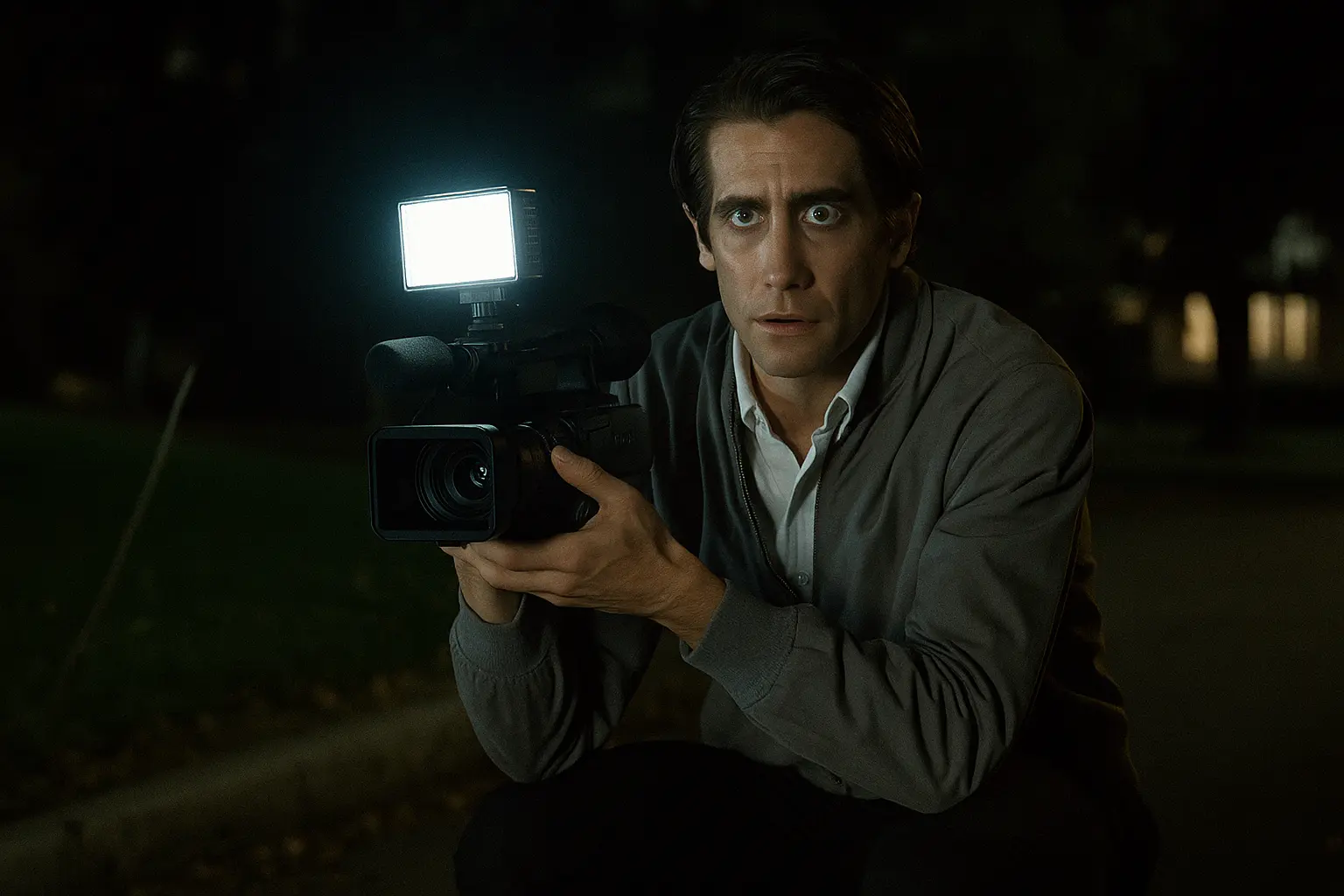
Jake Gyllenhaal’s portrayal of Lou Bloom in the 2014 film Nightcrawler stands as a powerful example of acting that goes beyond mere performance. Directed by Dan Gilroy, this film plunges into the depths of ambition, morality, and the extremes to which one might go to achieve success. Gyllenhaal’s transformation is not only physical; it reveals a compelling psychological shift that captures the imagination of audiences and critics alike.
This blog post will unpack Gyllenhaal’s remarkable transformation, the extensive preparation behind his role, and the wider implications of his character in today’s media landscape.
The Genesis of Lou Bloom
Lou Bloom is a far cry from the standard hero. He is a determined and morally ambiguous figure who reflects the darker facets of the American Dream. Gyllenhaal’s approach to this character began with a deep dive into Lou’s mindset.
To prepare for the role, Gyllenhaal spent considerable time researching the world of freelance crime journalism. He followed real-life stringers who capture graphic footage of crime scenes, immersing himself in their challenges and ethical dilemmas. This firsthand research shaped his understanding of Lou’s extreme motivations, leading to a nuanced portrayal.
Gyllenhaal’s commitment shines through as he transformed his physical form, dropping around 30 pounds to embody Lou’s relentless ambition. This weight loss was not just for looks; it influenced his energy and presence, allowing him to completely inhabit the role.
The Physical Transformation
One of the most eye-catching parts of Gyllenhaal’s performance is his physical change. Losing approximately 30 pounds led to a gaunt, almost skeletal look, reinforcing Lou’s unyielding drive for success. This wasn’t a mere visual choice; it represented Lou’s overwhelming desire to achieve and his willingness to sacrifice personal health in pursuit of his goals.
This significant weight loss was done under close supervision, with a carefully structured diet and intense workouts reducing his caloric intake dramatically. Gyllenhaal maintained a rigorous fitness routine that exemplified his dedication and professionalism. His transformation underlines the lengths an actor will go to ensure authenticity in performance.
The Psychological Depth
Beyond physical changes, Gyllenhaal’s portrayal of Lou Bloom explores profound psychological layers. Lou is not just a character; he is a representation of moral ambiguity, often skirting the edges of ethics. Gyllenhaal’s skill in conveying this complexity makes his performance riveting.
To gain insight into Lou’s mindset, Gyllenhaal researched various psychological profiles and real-life individuals who exhibited similar traits. He sought to understand the deep-seated desires fueling Lou’s actions, which often stem from a fierce need for validation and success. This detailed exploration is key to his chillingly captivating performance.
The Role of Ambition
Ambition plays a vital role in Nightcrawler, with Gyllenhaal embodying its darker aspects. Lou’s intense pursuit of success leads him to make increasingly questionable decisions, prompting audiences to reflect on what drives ambition in today’s society.
Gyllenhaal’s character critiques the media environment, where sensationalism often overshadows ethics. Lou’s journey is a mirror reflecting the extreme measures people will take to reach their goals, often at others’ expense. This provokes valuable discussions about individual values and societal pressures, especially as many individuals strive for success in competitive fields.
The Impact of Technology
In Nightcrawler, technology is pivotal, shaping Lou’s narrative. The surge of digital media and the relentless news cycle has created an environment ripe for sensationalism. Gyllenhaal’s character exploits this landscape, using technology to capture shocking footage for profit.
His performance invites viewers to consider the troubling ethical questions surrounding technology in journalism. As audiences increasingly consume news in real-time, the distinction between news and entertainment narrows. Lou’s actions serve as a cautionary tale regarding the dangers of prioritizing profit over integrity.
The Art of Filmmaking
The brilliance of Nightcrawler extends beyond Gyllenhaal’s performance; it also lies in exceptional filmmaking. Director Dan Gilroy’s vision combined with stunning cinematography creates a tense atmosphere that immerses viewers.
The film’s visual style, using nighttime Los Angeles as a backdrop, punctuates the themes of isolation and moral ambiguity woven through Lou’s story. This striking contrast between the vibrant city life and the dark narrative enhances the emotional weight of Gyllenhaal’s portrayal.
The Reception and Legacy
On its release, Nightcrawler received widespread critical acclaim, with many hailing Gyllenhaal’s performance as one of the finest in his career. The film’s provocative exploration of ambition, ethics, and media has resonated widely, stimulating reflective conversations about journalism’s role in society.
Gyllenhaal’s transformation into Lou Bloom has become a gold standard for actors aiming to portray complex characters. His unwavering dedication and the psychological layers he infused into Lou have raised the bar for future performances in similar narratives.
Final Thoughts
Jake Gyllenhaal’s dramatic transformation in Nightcrawler serves as a remarkable display of acting skill. Through his profound physical and psychological changes, Gyllenhaal has not only brought Lou Bloom to life but also ignited critical conversations around ambition, ethics, and technology’s role in our world.
As viewers continue to reflect on the themes in Nightcrawler, Gyllenhaal’s performance stands as a potent reminder of our complex motivations and moral dilemmas. His portrayal of Lou Bloom transcends mere acting; it presents a haunting look at the darker sides of ambition, leaving an impact that will resonate far into the future.
In a world where ethical boundaries are increasingly blurred, Gyllenhaal’s transformation serves as a crucial lesson, encouraging us to ponder the moral dimensions of our ambitions and their possible effects on those around us.
FAQS
How did Jake Gyllenhaal prepare for his role as Lou Bloom?
Gyllenhaal went all in he shadowed real-life crime stringers to understand their hustle, researched psychological traits, and lost around 30 pounds to fully embody Lou’s obsessive energy and intensity.
Why did Gyllenhaal lose so much weight for the role?
The weight loss wasn’t just for the look it made him feel wired, hungry, and restless, exactly how Lou Bloom should feel. It visually represented Lou’s manic ambition and total disregard for his own limits.
What makes Lou Bloom such a complex character?
Lou’s not your typical villain or hero he’s an unsettling reflection of raw ambition and moral collapse. Gyllenhaal nailed that eerie balance between charm and creepiness, showing how ambition can turn toxic.
What message does Nightcrawler send about ambition?
The movie’s basically a warning shot ambition without ethics can get real ugly. Lou Bloom’s grind-for-success mindset mirrors the darker side of today’s hustle culture, where people chase results no matter the cost.
How does technology play a role in Nightcrawler?
Lou thrives in a digital-driven news world that rewards shock over substance. His obsession with getting the “perfect shot” reflects how tech and media can blur the line between truth and entertainment.