
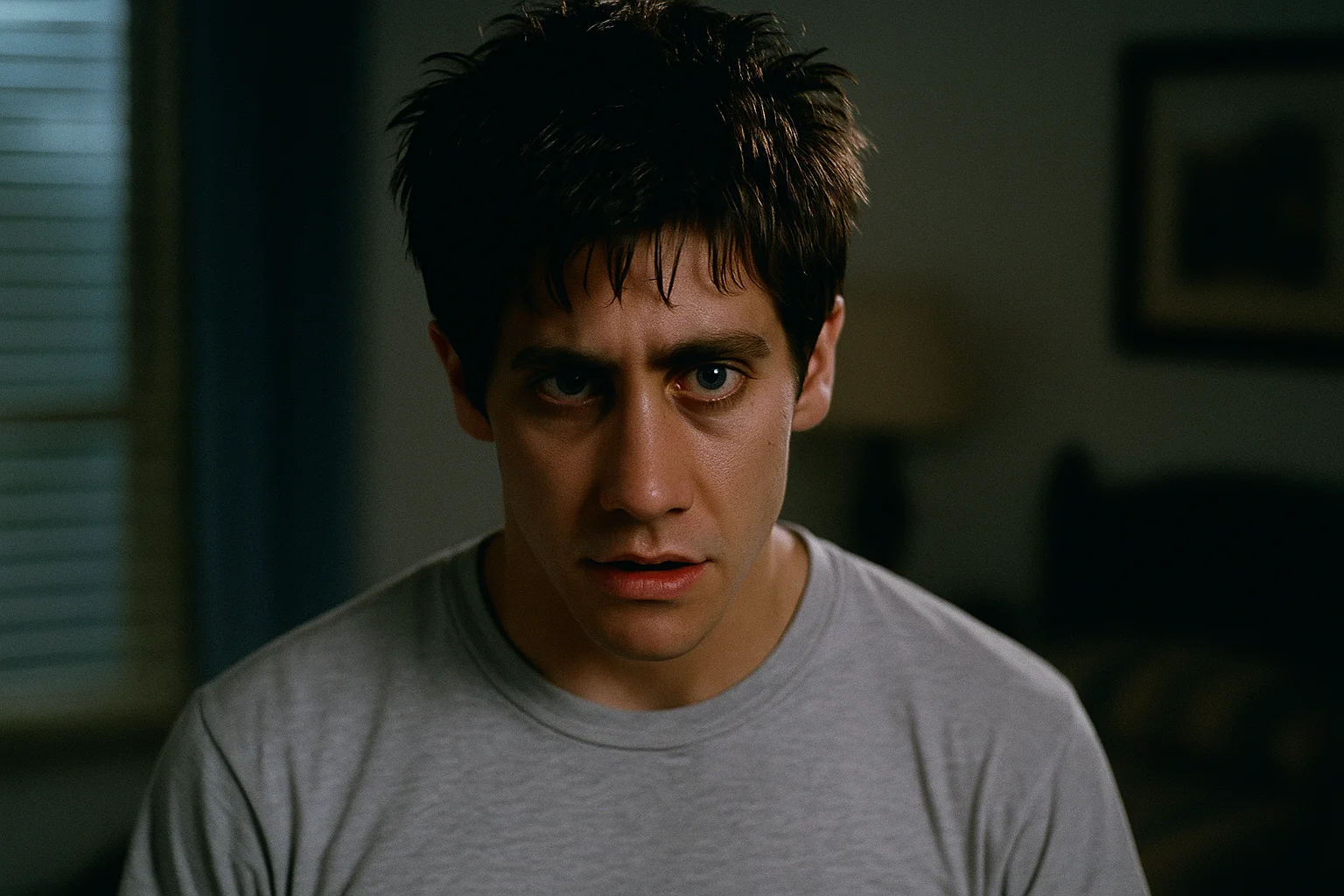
Jake Gyllenhaal’s performance in “Donnie Darko” is often celebrated as a defining moment in his career. Released in 2001, the film quickly gained a cult following, and Gyllenhaal’s portrayal of the troubled teen Donnie has been praised for its depth and complexity. Preparing for such an iconic role required extensive effort and dedication. This blog post explores the various facets of Gyllenhaal’s preparation, from his understanding of the character to the emotional and physical challenges he faced while embodying Donnie.
Understanding the Character
To fully capture Donnie Darko’s essence, Gyllenhaal had to dig deep into the character’s psyche. Donnie is not just a troubled teen; he is a young man facing profound existential questions and battling mental health issues. To connect with this complexity, Gyllenhaal spent considerable time analyzing the script, focusing on Donnie’s motivations, fears, and relationships.
For example, Donnie’s struggle with hallucinations and time travel mirrors real-life issues many teens face, such as anxiety and self-identity. Gyllenhaal’s nuanced understanding of these themes made his portrayal more relatable. This attention to the character’s internal conflicts allowed audiences to empathize with Donnie’s journey through darkness.
Researching Mental Health
Given the film’s emphasis on mental health, Gyllenhaal went above and beyond in his research. He consulted psychologists to better understand the challenges faced by individuals with anxiety and other psychological conditions. This commitment added authenticity to his portrayal of Donnie, particularly when it came to scenes involving emotional upheaval or hallucinations.
For instance, according to the National Institute of Mental Health, anxiety disorders affect 31.1% of U.S. adults at some point in their lives. Gyllenhaal’s effort to represent this reality made his performance not only compelling but also respectful to those who experience similar challenges.
Physical Transformation
Gyllenhaal also underwent a significant physical transformation for the role. He lost weight to portray Donnie’s frail and vulnerable appearance. This weight loss was not just for aesthetics; it influenced his performance. Feeling physically weak helped him convey Donnie’s emotional turmoil more convincingly.
This transformation was substantial Gyllenhaal lost about 10 to 15 pounds in preparation for filming. He understood that a character’s physical state often reflects their emotional condition, and he worked hard to ensure that both were in sync. Ultimately, this attention to detail heightened the emotional stakes of the film.
Collaborating with the Director
Gyllenhaal’s collaboration with director Richard Kelly was a cornerstone of his preparation. The two engaged in in-depth discussions about the film’s themes and characters, which helped Gyllenhaal refine his interpretation of Donnie. He valued Kelly’s vision and was eager to contribute creatively.
Their partnership allowed Gyllenhaal to explore new dimensions of Donnie’s personality. For example, they discussed how Donnie’s interactions with Frank the Bunny could emphasize his internal battles, enhancing both Gyllenhaal’s understanding and his performance.
Engaging with the Script
A thorough engagement with the script was vital in Gyllenhaal’s preparation. He meticulously analyzed the dialogue and character interactions, keenly observing how Donnie related to his family and friends. This examination allowed him to grasp the dynamics at play, especially his relationship with Gretchen, played by Jena Malone.
Key moments in the script, such as Donnie’s conversations with his parents or the impactful scenes with Gretchen, helped him shape a more dynamic performance. Through this deep dive, Gyllenhaal identified critical turning points that defined Donnie’s character arc, ensuring he effectively conveyed these nuances on screen.
Emotional Preparation
Playing Donnie Darko required Gyllenhaal to navigate a vast emotional landscape. He needed to express feelings ranging from confusion to anger and profound sadness. To prepare, he employed techniques like method acting and emotional recall. He drew upon his own unique experiences to connect with Donnie’s struggles.
For instance, channeling personal feelings allowed Gyllenhaal to bring a genuine intensity to scenes of despair. His ability to articulate complex emotions a skill bolstered by this preparatory work resonated deeply with viewers, contributing significantly to the film’s emotional impact.
Building Relationships with Co-Stars
Another vital part of Gyllenhaal’s preparation was forming strong relationships with his co-stars. The interactions between Donnie and characters like Gretchen and his siblings were central to the film’s narrative. Building chemistry with co-stars helped Gyllenhaal create an authentic dynamic, further enriching the film.
For example, Gyllenhaal and Malone spent time together off-screen, which fostered a natural rapport that translated seamlessly into their on-screen chemistry. This effort was crucial in portraying the escalating stakes of their relationship as Donnie’s journey unfolded.
Embracing the Surreal Elements
“Donnie Darko” is famous for its surreal narrative and abstract concepts. Gyllenhaal had to open himself up to these elements during his preparation. He approached themes like time travel and alternate realities with curiosity and willingness to explore.
This openness allowed him to navigate the film’s complexities and deliver a performance that was both grounded in reality and able to tap into the film’s dreamlike qualities. By balancing the bizarre with tangible emotions, Gyllenhaal added further depth to his portrayal of Donnie.
The Impact of Music
Music significantly shaped “Donnie Darko,” influencing its tone and atmosphere. Recognizing this, Gyllenhaal spent time listening to the film’s score and key songs that underscored Donnie’s emotional journey. For instance, the haunting “Mad World” scene enhanced the portrayal of Donnie’s disillusionment.
By integrating music into his preparation, Gyllenhaal connected with Donnie’s emotions more deeply. This connection enriched his performance, helping him to express the character’s internal conflicts more vividly.
Reflecting on His Journey
Jake Gyllenhaal’s preparation for “Donnie Darko” was a comprehensive, detailed process that included understanding the character, researching mental health, and transforming both physically and emotionally. His dedication to authenticity allowed him to deliver a performance that remains impactful years later.
The film’s exploration of mental health, time travel, and existential themes continues to resonate with new audiences. Gyllenhaal’s skillful portrayal of Donnie is a critical aspect of the film’s enduring legacy. His commitment to exploring the complexities of the character is a powerful reminder of the importance of thorough preparation in acting.
Final Thoughts
In summary, Gyllenhaal’s approach to preparing for “Donnie Darko” involved thorough character analysis, meticulous script engagement, and impactful collaboration with the director. His efforts to authentically convey the emotional depth of Donnie Darko shaped the film’s impact and established Gyllenhaal as a remarkably talented actor in Hollywood.
As audiences revisit “Donnie Darko,” Gyllenhaal’s performance continually underscores the artistry involved in character preparation. His journey into Donnie’s world exemplifies the meticulous dedication of those who breathe life into film characters.
FAQS
How did Jake Gyllenhaal prepare for his role in Donnie Darko?
Gyllenhaal immersed himself deeply in the role by researching mental health, analyzing the script in detail, collaborating closely with director Richard Kelly, and exploring Donnie’s emotional and psychological complexities. He combined physical transformation with emotional depth to create an authentic portrayal.
What kind of mental health research did Gyllenhaal do for the film?
He consulted psychologists and read about anxiety, depression, and other related conditions to accurately depict Donnie’s struggles. This research helped him deliver a performance that felt genuine and sensitive to real mental health experiences.
Did Jake Gyllenhaal physically transform for the role?
Yes he lost around 10 to 15 pounds to reflect Donnie’s frail, sleep-deprived, and anxious state. The physical change helped him embody the vulnerability and intensity of the character.
How did Gyllenhaal and director Richard Kelly collaborate during filming?
They held extensive discussions about Donnie’s motivations, the surreal tone of the movie, and the symbolism behind key scenes. Their collaboration helped refine the emotional and psychological layers that define Donnie’s journey.
What emotional techniques did Gyllenhaal use to portray Donnie’s inner turmoil?
Gyllenhaal employed method acting and emotional recall, drawing on personal experiences to channel Donnie’s confusion, loneliness, and anger. This approach gave his performance a haunting authenticity.