
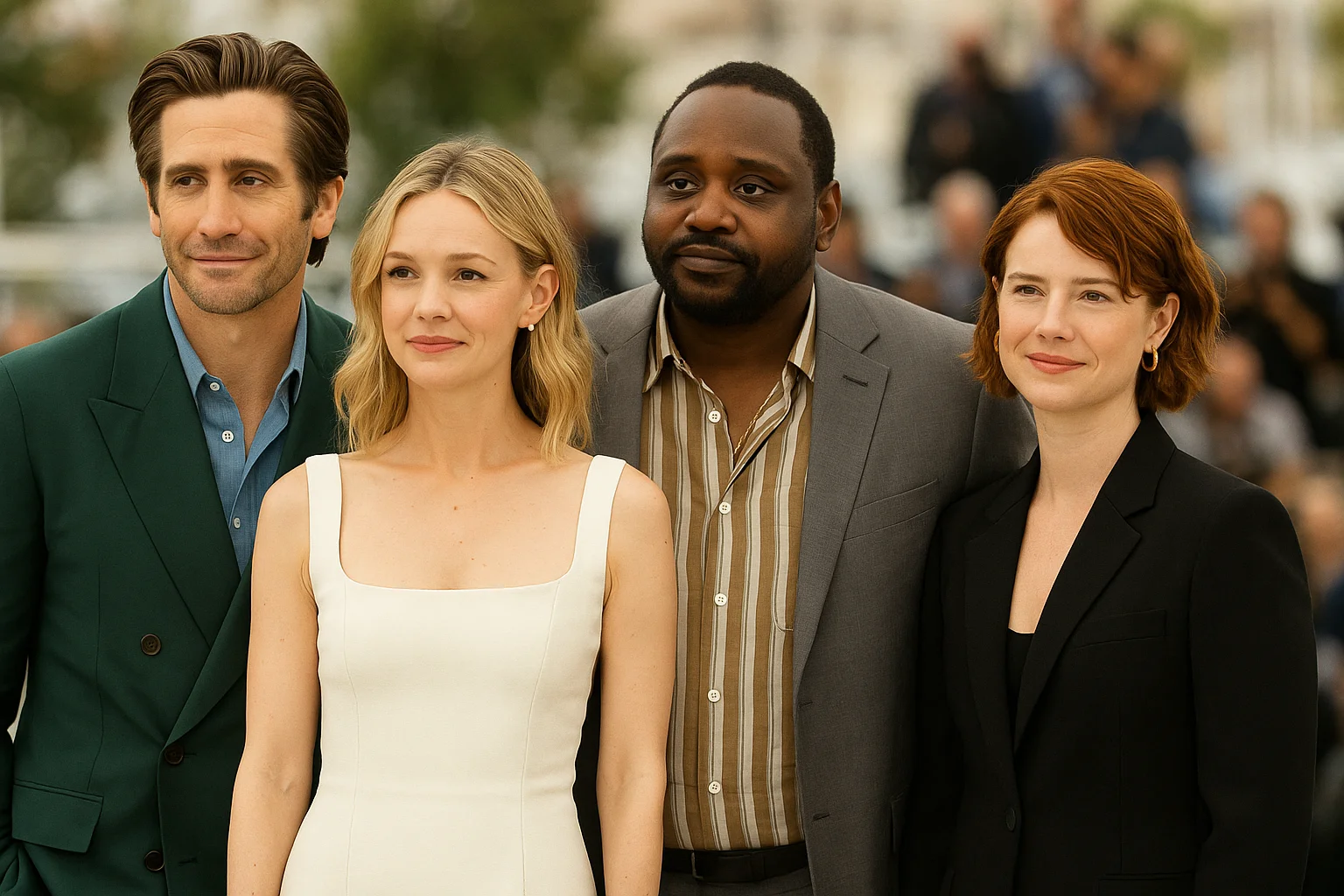
Jake Gyllenhaal is a name that resonates deeply with film enthusiasts. Known for his remarkable range and dedication, Gyllenhaal has established himself as a pivotal figure in Hollywood. One of the most fascinating aspects of his career is his ability to work harmoniously with other skilled actors in ensemble casts. This blog post explores how Gyllenhaal collaborates with his co-stars, thereby enriching the overall quality of the films in which he participates.
The Art of Collaboration
Collaboration is essential to the success of any ensemble cast. Gyllenhaal recognizes that acting isn’t solely about individual performances; it’s about crafting a unified story. He frequently engages with his fellow actors to forge strong chemistry, which is vital for authentic interactions on screen.
Gyllenhaal’s strategy for collaboration includes open discussions. By talking about character motivations and backstories, he inspires more genuine performances. Such dialogue fosters trust and camaraderie, allowing each actor to explore their character with greater depth. For example, while filming “Prisoners,” Gyllenhaal and Hugh Jackman frequently exchanged thoughts on their characters’ intense relationship, resulting in truly compelling scenes that captivated audiences.
Building Chemistry
Chemistry between actors can significantly influence a film’s success. Gyllenhaal excels at forming strong connections with his co-stars, a fact that stands out in works like “Prisoners” and “Nocturnal Animals.” For instance, his dynamic with Amy Adams in “Nocturnal Animals” enhanced the film’s emotional depth. Their ability to convey complex feelings made their interactions feel real and gripping.
To effectively build this chemistry, Gyllenhaal trusts in the power of rehearsals and improvisational exercises. These practices allow actors to get familiar with each other’s rhythms and styles, leading to more energetic performances. By investing time in these interactions, Gyllenhaal ensures that the ensemble cast operates as a cohesive team, making the film’s narrative even more compelling.
Embracing Different Acting Styles
A standout feature of Gyllenhaal’s career is his adaptability to various acting styles. He has collaborated with a broad array of actors, each bringing their own unique approach. This flexibility enables him to complement rather than overshadow his co-stars.
For example, in “Southpaw,” Gyllenhaal teamed up with Rachel McAdams and Forest Whitaker. Each actor contributed a distinctive energy to the story. Gyllenhaal adjusted his performance to align with theirs, which ultimately enhanced the film’s narrative. This capacity to embrace differing styles helps elevate the overall quality of the ensemble cast.
Supporting Fellow Actors
Gyllenhaal is known for his generosity as a co-star. He often prioritizes the collective success of the ensemble over his individual spotlight. This mindset fosters a supportive atmosphere, where all actors feel valued and motivated to shine.
In multiple interviews, Gyllenhaal has praised his co-stars, highlighting their invaluable contributions. Such respect cultivates a collaborative environment where actors can take creative risks and delve deeper into their roles without the fear of judgment. For instance, in “Zodiac,” Gyllenhaal worked closely with Robert Downey Jr. and Mark Ruffalo, creating a sense of collaboration that resulted in one of the film’s most memorable performances.
Learning from Each Other
Working among highly skilled actors presents rich opportunities for growth. Gyllenhaal embodies both a collaborator and a student of his craft. He often learns from his fellow actors, adopting their techniques and insights to enhance his performance.
During the filming of “Enemy,” Gyllenhaal closely collaborated with director Denis Villeneuve and co-star Mélanie Laurent. He has noted that their unique approaches significantly influenced his character portrayal. This openness to learning reflects Gyllenhaal’s commitment to his craft and respect for his collaborators, contributing to a more profound storytelling experience.
The Importance of Trust
Trust is a critical element in every successful ensemble cast. Gyllenhaal knows that actors need to feel at ease with one another to deliver credible performances. He actively cultivates this trust through team-building exercises and open discussions about the characters and storyline.
In films such as “Zodiac,” Gyllenhaal built trust with a talented ensemble, which included Robert Downey Jr. and Mark Ruffalo. The environment of trust among the cast allowed them to take imaginative risks, creating a gripping narrative that resonated with audiences. Gyllenhaal’s capacity to nurture trust among his peers is a vital reason for his effectiveness as a collaborative actor.
Navigating Conflicts
Conflicts can arise in any ensemble due to differing opinions or creative differences. Gyllenhaal’s approach to resolving conflicts is rooted in open dialogue and empathy. He believes that addressing issues directly can lead to stronger performances and a more cohesive film.
For instance, during the production of “Nightcrawler,” Gyllenhaal encountered challenges in aligning his vision with that of director Dan Gilroy. Instead of letting these differences create tension, he engaged in constructive discussions that ultimately enriched the film. His ability to handle conflicts positively contributes to the overall success of ensemble casts.
Celebrating Diversity
Gyllenhaal has had the privilege of working with actors from diverse backgrounds. This diversity significantly contributes to the richness of ensemble casts. He acknowledges the importance of varied storytelling and actively seeks projects that reflect this belief. By collaborating with a wide range of talent, Gyllenhaal helps create narratives that resonate with a broader audience.
In “The Sisters Brothers,” for example, Gyllenhaal shared the screen with John C. Reilly and Joaquin Phoenix, both of whom offered unique perspectives to their roles. This diversity not only enhances storytelling but enables Gyllenhaal to explore different aspects of his character, resulting in a more layered performance.
The Impact of Ensemble Work on Gyllenhaal’s Career
Gyllenhaal’s work with talented actors has greatly influenced his career trajectory. Performing in ensemble casts has allowed him to tackle challenging roles and explore new genres, honing his skills and expanding his acting range.
Moreover, Gyllenhaal’s reputation as a collaborative partner has made him a highly sought-after talent in Hollywood. Directors and producers recognize his ability to enrich ensemble performances, leading to more opportunities where he can shine alongside skilled actors.
Final Thoughts
Jake Gyllenhaal’s approach to collaborating with fellow talented actors reveals his deep commitment to the craft of acting. Through collaboration, chemistry building, and support for his co-stars, Gyllenhaal consistently enhances the quality of the films he engages in. His ability to adapt to different acting styles and navigate conflicts contributes significantly to the success of ensemble casts.
As Gyllenhaal continues to take on diverse roles and work with a wide range of talent, audiences can expect to see more captivating performances that highlight the power of teamwork in storytelling. His journey serves as valuable inspiration for aspiring actors, demonstrating the essential role of collaboration in the world of film.
FAQS
How does Jake Gyllenhaal approach collaboration with co-stars?
Jake Gyllenhaal emphasizes open communication and shared creative exploration. He often discusses character motivations and scene dynamics with his co-stars to ensure authentic, emotionally charged performances.
Why is collaboration important to Jake Gyllenhaal’s acting style?
Collaboration allows Gyllenhaal to build chemistry and trust with his fellow actors, creating more realistic and cohesive ensemble performances that elevate the overall storytelling.
Which films best showcase Gyllenhaal’s collaborative skills?
Films such as Prisoners, Zodiac, Nocturnal Animals, and The Sisters Brothers highlight his ability to connect deeply with ensemble casts, resulting in rich, layered narratives.
How does Jake Gyllenhaal build chemistry with his co-stars?
He uses rehearsals, improvisational exercises, and in-depth conversations to develop familiarity and rhythm with his co-stars. This approach strengthens on-screen relationships and enhances realism.
How does Gyllenhaal handle creative differences on set?
Gyllenhaal values empathy and open dialogue when conflicts arise. He believes that addressing differences collaboratively can lead to stronger, more creative results.