
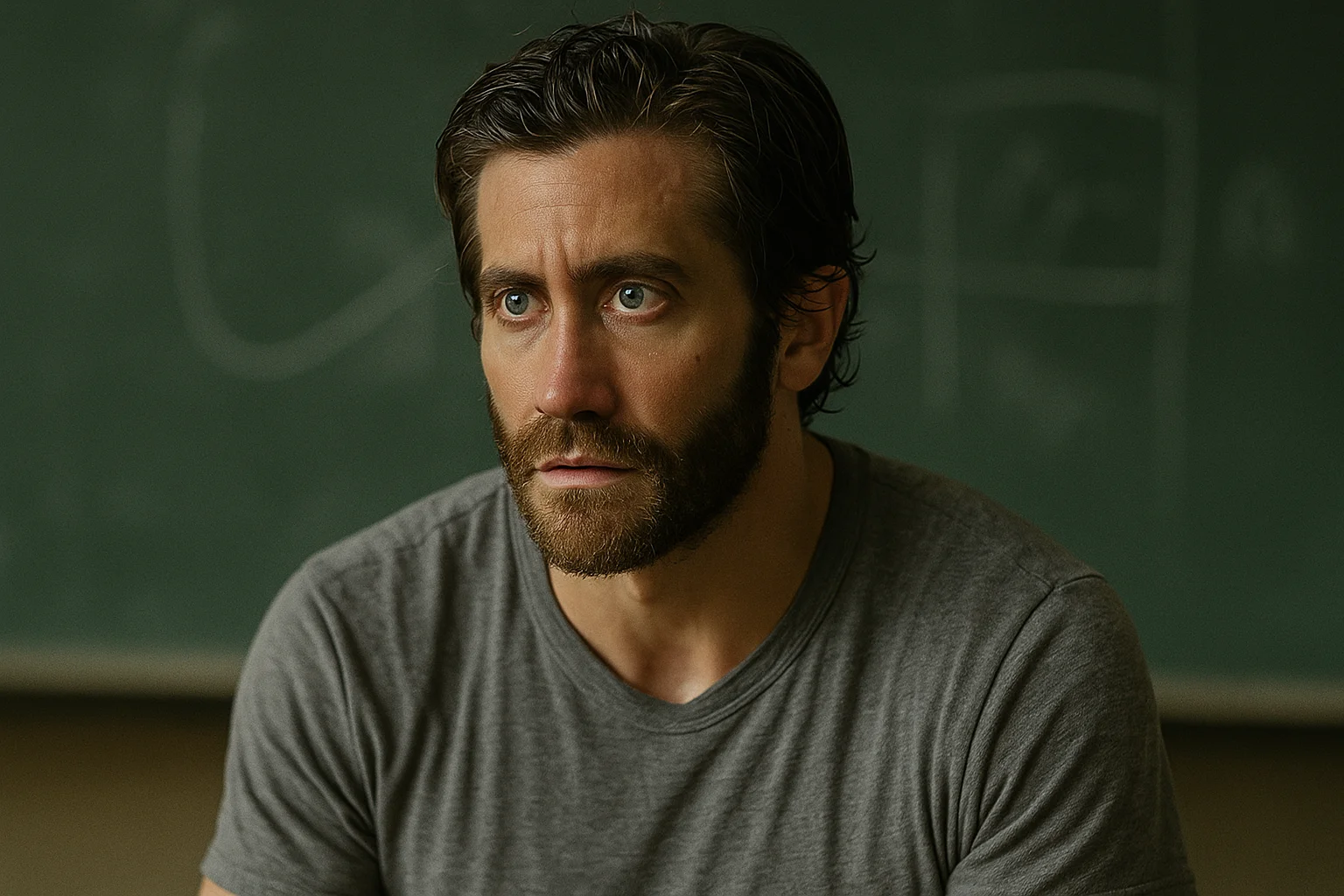
Jake Gyllenhaal stands out not only for his captivating performances but also for his deep commitment to method acting. This technique has fueled conversations among film critics and fans. In this post, we will explore the science behind Gyllenhaal’s approach, examining the psychological and physiological factors that contribute to his memorable roles.
Understanding Method Acting
Method acting is more than just acting; it’s about tapping into personal emotions and experiences to create genuine performances. This technique, developed by Lee Strasberg and influenced by Konstantin Stanislavski, encourages actors to fully immerse themselves in their characters.
Gyllenhaal’s work exemplifies this commitment. In films like “Nightcrawler” and “Brokeback Mountain,” he undergoes drastic changes in both appearance and mentality, prompting reflection on the psychological impacts of such deep character immersion.
The Psychological Impact of Method Acting
Living as a character can lead to significant psychological effects. For Gyllenhaal, this often involves not just acting but fully embodying his roles. This deep immersion can trigger “emotional contagion,” where the actor’s feelings spill over into their mental state.
Research indicates that actors who dive deeply into their roles may develop heightened empathy, allowing for more authentic portrayals. However, this can also lead to emotional exhaustion and difficulty in separating from the character afterward. For example, in preparing for “Nightcrawler,” Gyllenhaal faced intense feelings associated with Lou Bloom’s desperation, demonstrating the emotional weight that can accompany such immersion.
The Physical Transformation
Gyllenhaal is renowned for his striking physical transformations. In “Nightcrawler,” he lost around 30 pounds to authentically portray Lou Bloom, which also altered his mental and emotional states. Drastic changes like this can trigger hormonal shifts that impact mood and energy levels, illustrating the vital connection between body and mind in acting.
By physically adapting to his roles, Gyllenhaal showcases the significant interplay between the actor’s physicality and performance. His 15-pound weight gain for “Southpaw” to depict a boxer further exemplifies how physical transformations are integral to his roles.
The Role of Preparation
Preparation plays a vital role in method acting. Gyllenhaal frequently engages in thorough research to understand his characters deeply. This preparation can involve studying their backgrounds, motivations, and even their unique gestures.
Cognitive psychology suggests that diligent preparation can bolster an actor’s performance by boosting confidence and minimizing anxiety. For Gyllenhaal, this comprehensive approach means going beyond memorizing lines to truly embody the spirit of his characters, resulting in performances that resonate with audiences.
Emotional Resilience and Vulnerability
Emotional vulnerability is a hallmark of Gyllenhaal’s performances. Method acting invites actors to explore their own emotions, which is both empowering and challenging. This openness can create genuine connections with viewers, making the performance feel relatable.
However, the emotional toll can be significant. Many actors, including Gyllenhaal, often face emotional distress when reliving painful scenarios to achieve authenticity. This ability to navigate complex emotional terrains demonstrates Gyllenhaal’s resilience and unwavering commitment to his craft.
The Science of Empathy in Acting
Empathy is essential in method acting. Gyllenhaal’s ability to invoke empathy is one reason his roles resonate with audiences. Neuroscience research suggests that observing emotional expressions can activate similar feelings in us, creating shared emotional experiences.
This empathy is particularly relevant in films like “Prisoners,” where Gyllenhaal plays a tense detective facing moral dilemmas. His capacity to evoke deep emotions enhances the viewer’s investment and the film’s impact.
The Balance Between Art and Self
While method acting yields powerful performances, it poses challenges in maintaining one’s identity. Gyllenhaal often navigates the fine line between his persona and his characters, which can create a struggle to retain his sense of self outside of acting.
Psychological studies indicate that actors who immerse themselves too fully may grapple with identity issues. Gyllenhaal’s journey underscores the necessity of balancing character immersion with the preservation of personal identity.
The Influence of Directors and Collaborators
Gyllenhaal’s method acting is shaped significantly by the directors he works with. Filmmakers like Denis Villeneuve and Dan Gilroy cultivate environments that support his intense, immersive approach. This collaboration can enhance performances through valuable feedback and emotional support.
The actor-director relationship is crucial for achieving a cohesive portrayal. For example, working with Villeneuve on “Enemy” allowed Gyllenhaal to explore dual characters, enriching his performance through a supportive creative partnership.
The Future of Method Acting
As the film industry evolves, so does method acting. Gyllenhaal represents a new wave of actors inspiring others to explore their characters in depth. However, this raises essential questions about the sustainability of such intense immersion without compromising mental health.
Looking ahead, the future of method acting may focus on balance, enabling actors to draw from their experiences while practicing self-care. Gyllenhaal’s path emphasizes the importance of mental health as integral to artistic success.
A Deeper Understanding of Gyllenhaal’s Craft
Jake Gyllenhaal’s method acting showcases the blend of psychological and physiological elements that elevate his performances. His immersive approach highlights the complexities of this technique.
Audiences are captivated by the emotional depth and authenticity Gyllenhaal brings to the screen. By exploring the science of method acting, we gain valuable insights into its broader implications in the acting world.
In an industry where authenticity holds immense value, Gyllenhaal’s dedication to his craft serves as a beacon for both aspiring actors and film lovers alike. The journey of method acting is not solely about performance; it invites us into a profound exploration of the human experience.
FAQS
What is method acting, and how does Jake Gyllenhaal use it?
Method acting is a technique where actors deeply immerse themselves in their characters by drawing on personal emotions and experiences. Jake Gyllenhaal uses this approach to connect authentically with his roles, often transforming both mentally and physically to portray his characters convincingly.
Has method acting ever affected Jake Gyllenhaal’s mental health?
While Gyllenhaal hasn’t publicly detailed any serious struggles, he has acknowledged the emotional intensity of method acting. Immersing himself in dark or complex roles can be mentally exhausting, requiring time to detach after filming.
What are some examples of Jake Gyllenhaal’s most transformative roles?
Notable examples include Nightcrawler (where he lost 30 pounds to play Lou Bloom), Southpaw (where he gained 15 pounds of muscle for his boxer role), and Brokeback Mountain, where he displayed raw emotional depth that earned him critical acclaim.
How does Jake Gyllenhaal prepare for his roles?
Gyllenhaal extensively researches his characters, studies their psychology, and often adopts their routines or physical traits. His preparation goes beyond memorizing lines it’s about embodying the character’s mindset and motivations.
What psychological benefits and challenges come with method acting?
Benefits include enhanced empathy, deeper emotional understanding, and more authentic performances. However, challenges involve emotional fatigue, difficulty separating from the character, and potential identity confusion if immersion becomes too intense.