
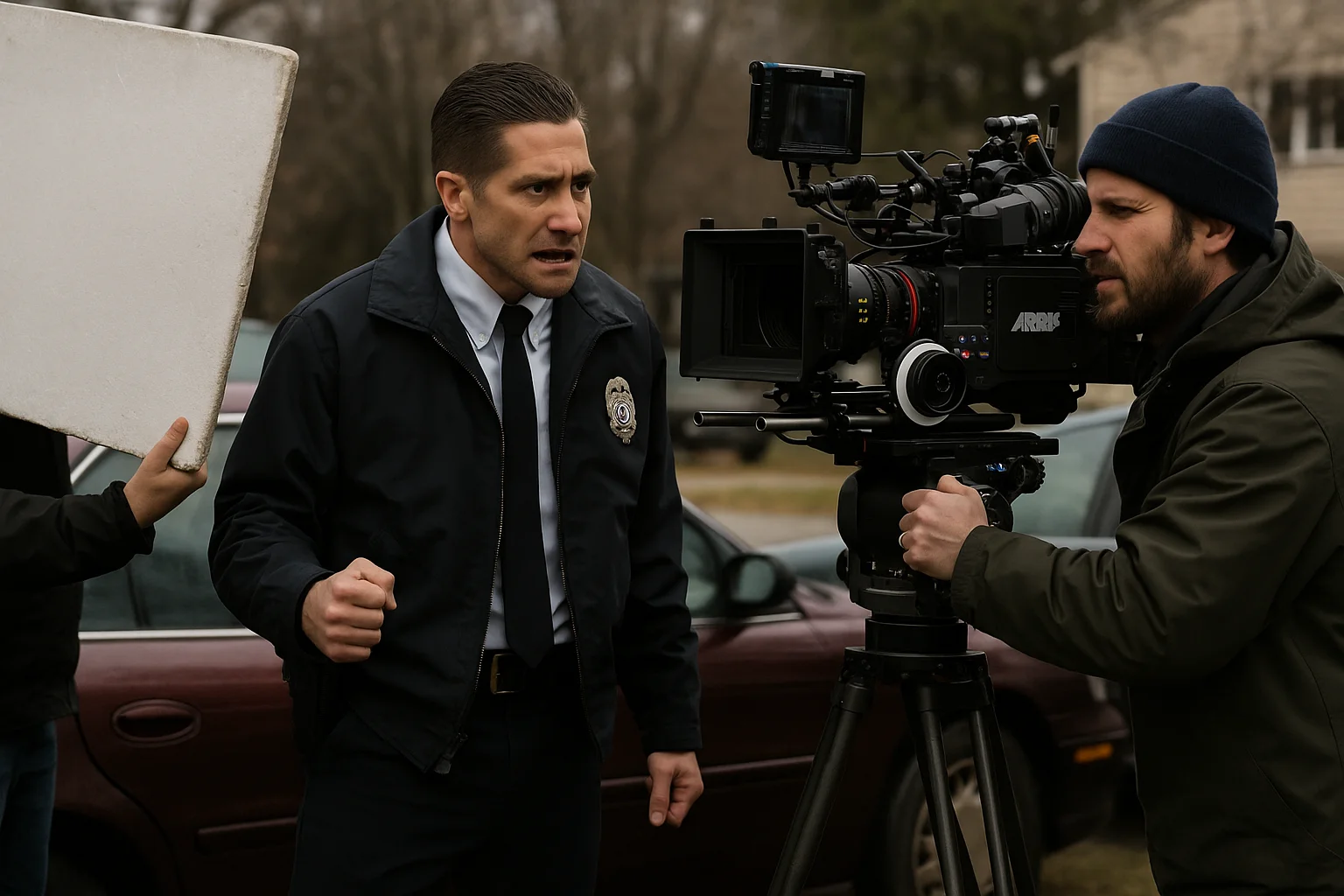
The film “Prisoners,” directed by Denis Villeneuve, is an intense thriller that explores deep human desperation and moral dilemmas. Released in 2013, it features a standout cast, including Hugh Jackman and Jake Gyllenhaal. Their powerful performances keep viewers glued to the screen. In this post, we’ll explore the behind-the-scenes artistry of “Prisoners”, with a spotlight on Jake Gyllenhaal’s role as Detective Loki and the techniques employed to craft suspense in this gripping tale.
The Premise of “Prisoners”
“Prisoners” revolves around the harrowing story of two families whose daughters go missing, triggering a frantic and desperate search that pushes the boundaries of morality and justice. As the investigation progresses, viewers are drawn into an intricate web of suspense with high stakes and chilling repercussions. The film’s narrative is vital in building tension, and Gyllenhaal’s performance as Detective Loki plays a crucial role in this emotional rollercoaster.
Detective Loki is a multifaceted character, pushing himself to uncover the truth while grappling with the enormous weight of his duties. Gyllenhaal embodies this internal conflict masterfully, using subtle body language and facial expressions to portray Loki’s struggles, like his urgent need for answers against an oppressive backdrop of tragedy.
Jake Gyllenhaal: A Study in Character
Jake Gyllenhaal is celebrated for his commitment to his roles, often diving deeply into the characters he embodies. For “Prisoners”, Gyllenhaal took a distinct approach: he spent time shadowing real detectives to gain insight into their mindset and the stress they encounter. This thoughtful preparation allowed him to bring an authentic edge to Detective Loki.
In preparation for the role, Gyllenhaal also transformed his physical appearance. He slimmed down considerably, reflecting the character’s relentless determination and elevating the film’s overall tense vibe. This transformation is noticeable when Gyllenhaal faces off against Jackman’s character, Keller Dover, enhancing the emotional stakes in their interactions.
The Art of Tension in Film
Creating suspense is essential in film, especially in thrillers like “Prisoners.” It keeps audiences invested in the characters and their fates. Various filmmaking techniques contribute to this heightened sense of tension, including pacing, editing, sound design, and cinematography.
Pacing and Editing
The deliberate pacing of “Prisoners” allows moments of silence to resonate. For instance, scenes are frequently intercut, contrasting the urgent search for the missing girls with the heartbreak experienced by their families. This editing style provides a sense of urgency, ensuring audiences feel every moment’s significance and weight.
Sound Design
Sound is another crucial element in developing tension. The haunting score by Jóhann Jóhannsson amplifies the film’s emotional impact, making every scene feel charged. For example, silence punctuates intense moments, making them even more unsettling. This deliberate use of audio elements creates a constant sense of dread throughout the film.
Cinematography
Roger Deakins, the cinematographer, is known for crafting striking visuals that resonate emotionally. The film’s lighting and framing evoke feelings of despair and isolation. Dark scenes mirror the characters’ inner turmoil, while stark contrasts serve to emphasize critical moments of tension. Deakins’ artistry draws viewers deeper into the haunting narrative.
Gyllenhaal’s Dynamic with Hugh Jackman
The interplay between Gyllenhaal’s Detective Loki and Hugh Jackman’s Keller Dover is central to the film’s tension. As events unfold, their relationship becomes increasingly fraught, forcing each man to confront his moral compass. Gyllenhaal and Jackman deliver performances rich in complexity, creating a gripping dynamic that keeps audiences guessing.
Their tense interactions highlight Keller’s desperation, which often leads him to make questionable choices. In contrast, Gyllenhaal’s portrayal of Loki showcases a commitment to upholding the law, adding depth to their relationship. This push and pull heightens the stakes, making viewers ponder what they might do in similar situations an exploration of ethics and human behavior that resonates deeply.
The Impact of Location
The locations in “Prisoners” significantly shape the film’s mood. Shot in and around Atlanta, Georgia, these settings contribute to the feeling of foreboding and isolation. The choice of desolate landscapes and dim interiors profoundly influences the characters’ emotional experiences.
The suburban backdrop typically a symbol of safety becomes a canvas for horror and despair. This contrast amplifies tension, emphasizing that evil can hide in plain sight, even in seemingly normal communities.
Behind the Scenes: Directorial Vision
Denis Villeneuve’s direction is vital to the film’s success. Renowned for his ability to create gripping atmospheres, Villeneuve meticulously designs each scene for maximum emotional punch. His collaboration with Gyllenhaal and the cast results in the film’s cohesive storytelling.
Villeneuve emphasizes character depth and moral complexity. He encourages actors to explore the nuances of their roles, leading to authentic performances. This focus on character-driven storytelling marks Villeneuve’s unique style, powerfully felt in “Prisoners.”
The Reception of “Prisoners”
Upon its release, “Prisoners” garnered widespread critical acclaim for its strong performances, direction, and screenplay. Gyllenhaal’s portrayal of Detective Loki received particular praise for conveying multifaceted emotions with depth. The film’s themes of moral ambiguity and the lengths individuals will go to protect their loved ones struck a chord with audiences, making it a standout in the thriller genre.
With a box office gross of approximately $61 million against a $30 million budget, the film’s financial success is impressive. Additionally, it earned nominations for multiple awards, solidifying its position in cinematic history. “Prisoners” is frequently referenced as a modern classic, with Gyllenhaal’s performance consistently highlighted as a significant achievement.
The Lasting Impression of “Prisoners”
“Prisoners” represents a masterclass in building tension, largely due to Jake Gyllenhaal’s compelling performance as Detective Loki. The film employs meticulous pacing, haunting sound design, and striking cinematography to immerse viewers in a world filled with moral complexities and emotional weight. Gyllenhaal’s dedication to his role, along with his dynamic interactions with Hugh Jackman, elevate the narrative, making “Prisoners” a riveting examination of what one is willing to do for justice.
As audiences continue to engage with this profound story, the art of tension in film remains essential. “Prisoners” highlights cinema’s power to evoke deep emotional reactions and stimulate thoughtful consideration of the human condition. For viewers who appreciate intense thrillers or outstanding filmmaking, “Prisoners” is a film that leaves a significant mark.
FAQS
What is the movie “Prisoners” about?
Prisoners (2013), directed by Denis Villeneuve, is a psychological thriller about two families whose young daughters are kidnapped. The film follows the desperate search for the missing girls, focusing on the emotional turmoil of Keller Dover (Hugh Jackman) and the relentless investigation led by Detective Loki (Jake Gyllenhaal).
What makes Jake Gyllenhaal’s performance as Detective Loki stand out?
Gyllenhaal’s portrayal is layered with intensity and restraint. His subtle gestures, facial expressions, and emotional depth capture the inner struggle of a detective torn between his duty and empathy. His meticulous research shadowing real detectives adds realism and authenticity to his character.
How did Jake Gyllenhaal prepare for his role in “Prisoners”?
Gyllenhaal spent time studying police behavior, observing detectives, and refining his physical and mental approach to embody Loki’s professionalism and emotional strain. He even contributed creative ideas such as Loki’s nervous blinking and tattoos to make the character more distinct and human.
What is the dynamic between Jake Gyllenhaal and Hugh Jackman in the film?
The relationship between Detective Loki and Keller Dover is a central source of tension. Gyllenhaal’s calm determination contrasts with Jackman’s raw desperation, creating an electric on-screen chemistry that heightens the moral and emotional stakes of the story.
How does Denis Villeneuve’s direction enhance the film’s suspense?
Villeneuve masterfully combines slow pacing, tight editing, and visual storytelling to create a sense of unease. Every scene is deliberate lingering just long enough to build psychological tension while maintaining emotional realism through nuanced character work.