
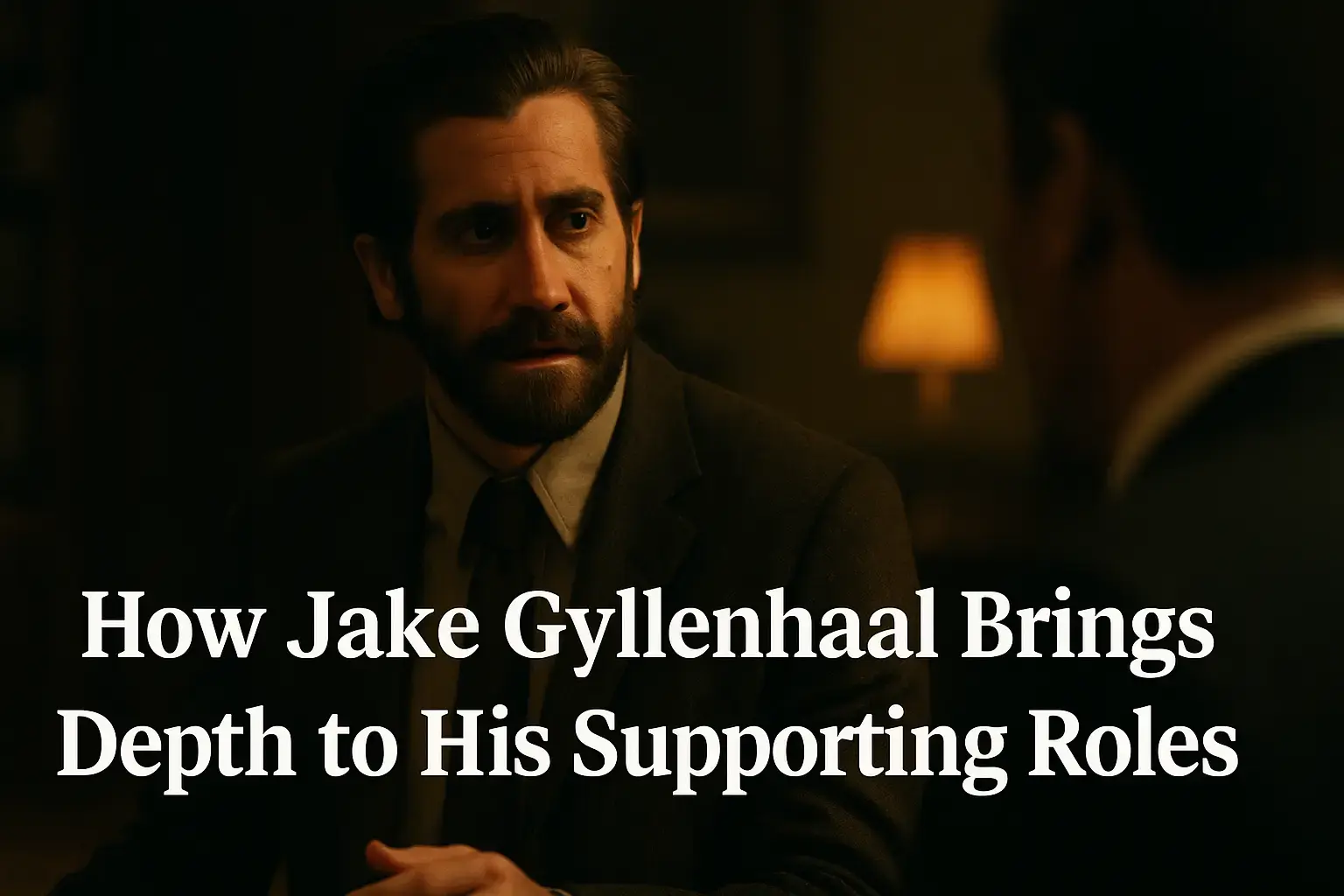
Jake Gyllenhaal is a name that resonates with many film enthusiasts. Renowned for his versatility, Gyllenhaal has made his mark not just as a leading man but also as an exceptional supporting actor. His ability to bring depth to these roles showcases his talent and passion for acting. This blog post explores how Gyllenhaal infuses complexity and nuance into his characters, making them memorable and impactful.
The Art of Supporting Roles
Supporting roles are often seen as secondary to the main characters. However, they are crucial in storytelling. These characters provide essential context, emotional depth, and even comic relief, helping to build the film’s overall atmosphere. Gyllenhaal approaches these roles with the same intensity and commitment as he does with his leading roles, ensuring they resonate with the audience.
For instance, in the movie “Prisoners,” he plays Detective Loki, a character whose investigative skills and emotional journey add significant depth to the film. His performance intertwines with the main narrative, allowing viewers to experience the story from multiple perspectives.
A Commitment to Character Development
Gyllenhaal’s dedication to character development is a hallmark of his acting. He invests time in understanding the motivations and emotional states of his characters. This commitment is clear in films like “Brokeback Mountain,” where he portrays Jack Twist. His struggles with identity and love resonate deeply, demonstrating how supporting roles can drive the film’s emotional core.
In “Brokeback Mountain,” Gyllenhaal’s performance is pivotal. His interpretation of Jack highlights societal constraints on love, offering viewers a perspective that enhances the film’s themes. The character’s arc remains emotionally impactful, underscoring Gyllenhaal’s prowess in enriching the narrative.
Emotional Authenticity
Gyllenhaal’s ability to convey genuine emotion adds depth to his supporting roles. He skillfully taps into his characters’ emotional cores, allowing audiences to feel their joys and struggles. This emotional authenticity shines in films like “Nightcrawler,” where he plays Lou Bloom, a character whose ruthless ambition embodies moral ambiguity.
In this role, Gyllenhaal not only captivates the audience but also serves as a reflection of the protagonist’s journey. His emotional range enables viewers to connect with the story, making even the smallest roles significant and unforgettable.
Collaboration with Directors
Gyllenhaal’s collaborations with visionary directors also enhance his performances. Working with filmmakers like Denis Villeneuve and Ang Lee allows him to explore complex characters that elevate the film’s narrative.
In “Prisoners,” Gyllenhaal’s Detective Loki navigates tension and emotional weight as he investigates a kidnapping. His performance adds layers to the film, as he grapples with personal challenges while seeking justice. This collaboration exemplifies how mutual understanding between actor and director can lead to remarkable storytelling.
Versatility Across Genres
Another key aspect of Gyllenhaal’s skill lies in his versatility across genres. Whether drama, thriller, or even comedy, he adapts his approach to suit the film’s tone, exploring a wide range of characters each with unique challenges.
In “Spider-Man: Far From Home,” Gyllenhaal plays Mysterio, a character that balances humor with a darker narrative. His portrayal adds depth, transforming Mysterio into more than just a villain; he evolves into a character with a compelling backstory that keeps audiences engaged.
The Impact of Subtlety
Gyllenhaal’s performances often rely on subtlety, allowing him to convey complex emotions without grand gestures. This approach is especially effective in supporting roles, where the impact is often felt through nuances. His communication through body language deepens the connection to his characters, making them feel more relatable.
In “The Sisters Brothers,” Gyllenhaal’s character John Morris exemplifies this subtlety. He captures the moral ambiguity and internal conflict, showcasing how nuanced performances can enhance the film’s overall narrative and engage audiences on a deeper level.
Building Relationships on Screen
Supporting roles frequently involve building relationships with main characters, and Gyllenhaal excels in this area. His chemistry with co-stars enriches the emotional stakes of the story. Whether forming friendships, rivalries, or romantic ties, Gyllenhaal’s performances benefit from the dynamics he creates with other actors.
In “End of Watch,” Gyllenhaal portrays Officer Brian Taylor, whose partnership with Michael Peña’s character forms the film’s backbone. Their camaraderie adds depth, drawing the audience into their shared experiences. Gyllenhaal’s ability to forge these connections boosts his success in supporting roles.
The Role of Research and Preparation
Gyllenhaal’s commitment to his craft extends far beyond familiarizing himself with the script. His extensive research and preparation are evident in various roles, particularly when delving into a character’s background and motivations.
In “Southpaw,” Gyllenhaal underwent a dramatic physical transformation to portray boxer Billy Hope. He gained approximately 15 pounds of muscle and trained extensively to achieve authenticity. This level of dedication not only exemplifies his versatility but also reinforces the character’s struggles, ensuring a powerful performance that resonates with viewers.
Final Thoughts
Jake Gyllenhaal’s ability to bring depth to his supporting roles highlights his talent, dedication, and understanding of acting. Through emotional authenticity, collaboration with directors, and a commitment to character development, he elevates narratives and creates memorable performances.
His versatility across genres and skill in conveying complex emotions through subtlety further enhance his impact on screen. As audiences continue to appreciate the art of storytelling, Gyllenhaal’s contributions to supporting roles will undeniably remain significant. His performances remind us that every character, no matter the size of the role, can leave a lasting impression. In a world where supporting roles are often overlooked, Gyllenhaal shines, proving that every character has a story worth telling.
FAQS
Why is Jake Gyllenhaal known for his versatility as an actor?
Jake Gyllenhaal is celebrated for his ability to embody a wide range of characters across different genres from drama and thriller to action and romance. His deep emotional commitment and character research make each role authentic and memorable.
What makes Gyllenhaal’s supporting roles stand out?
He approaches every role, whether leading or supporting, with the same dedication. Gyllenhaal focuses on emotional depth, character motivation, and subtle expression, allowing his supporting characters to feel as significant as main protagonists.
Which movie showcases Jake Gyllenhaal’s strength in a supporting role?
In Prisoners (2013), his portrayal of Detective Loki added critical emotional tension to the film. His layered performance helped anchor the story, making his role just as powerful as the lead characters.
How did Jake Gyllenhaal prepare for his role in Brokeback Mountain?
Gyllenhaal dove deeply into understanding the emotional and societal struggles of his character, Jack Twist. His performance explored themes of identity, love, and repression, leaving a profound emotional impact on audiences.
Does Gyllenhaal rely on emotional authenticity in his acting?
Yes. Gyllenhaal’s ability to convey genuine emotion allows viewers to feel his characters’ struggles and victories. Whether in Nightcrawler or Brokeback Mountain, he brings honesty and realism to every scene.