
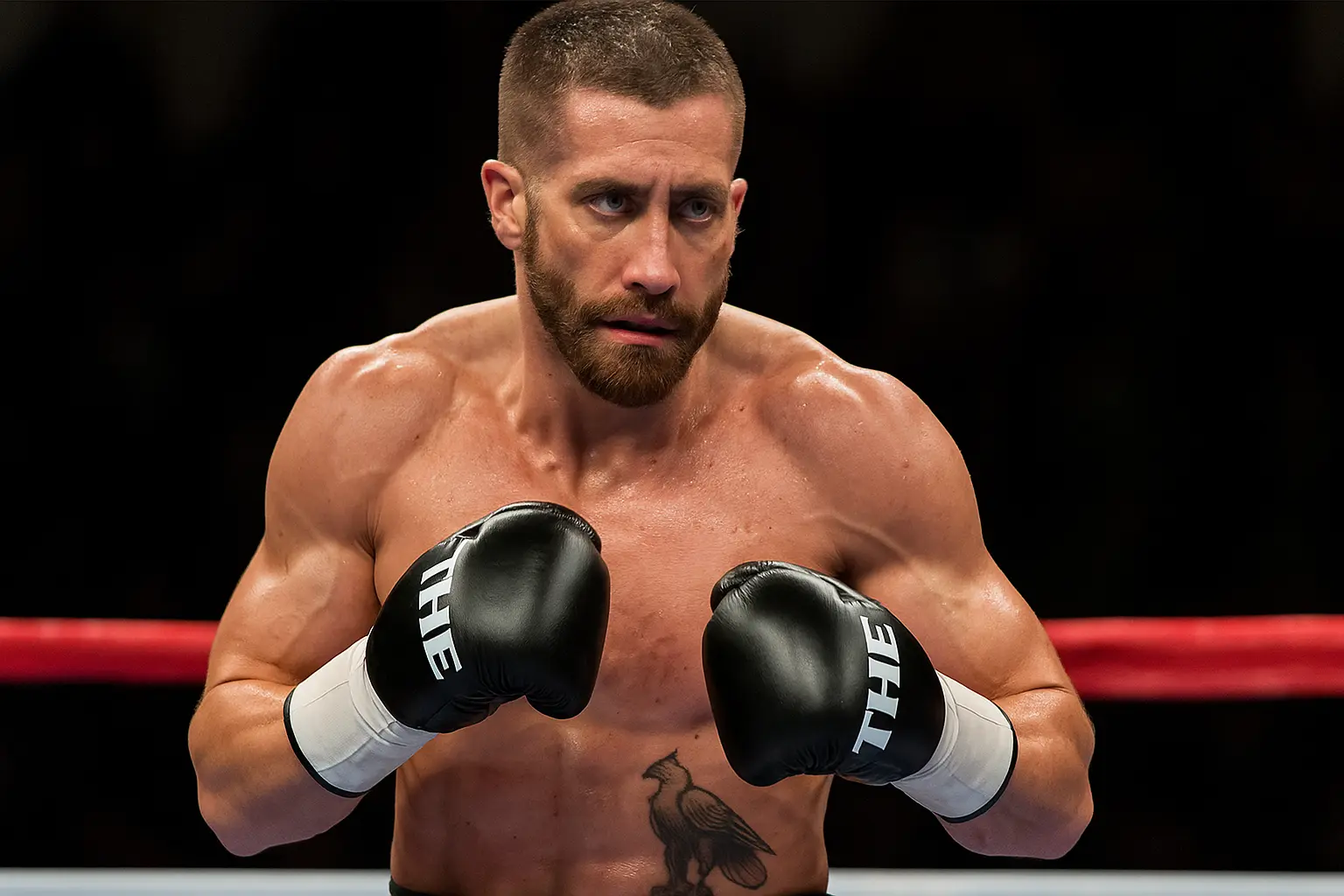
Jake Gyllenhaal is known for his remarkable physical transformations for various roles. However, his preparation for the 2015 film Southpaw truly stands out. In this post, we will explore the demanding training, diet changes, and mental preparation that Gyllenhaal undertook to portray Billy Hope, a boxer battling personal and professional challenges.
The Role of Billy Hope
In Southpaw, Gyllenhaal portrays Billy Hope, a champion boxer who suffers profound personal losses. The role required an authentic representation of a fighter, combined with the physicality that would persuade audiences he was a true athlete. Gyllenhaal’s dedication was evident from day one; he aimed to transform his body into that of a professional boxer.
Gyllenhaal’s journey began with a clear understanding of Billy’s emotional and physical struggles. To authentically depict a boxer who has hit rock bottom, Gyllenhaal knew he needed to develop a body capable of enduring the sport’s harsh realities. His transformation wasn’t just for the sake of aesthetics; it was crucial to immerse himself in the character.
Training Regimen
To achieve a professional boxer’s body, Gyllenhaal teamed up with renowned trainer Freddie Roach, who has worked with champions like Manny Pacquiao and Miguel Cotto. The training routine was intense and diverse, focusing on strength, endurance, and boxing skills.
Gyllenhaal’s workouts included:
- Traditional boxing training: sparring, heavy bag work, and footwork drills.
- Strength and conditioning exercises: such as deadlifts and kettlebell swings.
He worked out for several hours daily, six days a week, pushing his limits to build the agility and speed essential for boxing. For example, he would often run six miles to build stamina, followed by hours of shadow boxing and technique drills.
Diet Changes
Along with rigorous training, Gyllenhaal made substantial changes to his diet. To support his workouts and promote muscle growth, he followed a high-protein diet consisting of lean meats like chicken and turkey, fish like salmon, and a variety of vegetables.
He emphasized the importance of caloric intake, stating he consumed around 3,000 calories daily while remaining lean. This careful tracking ensured that he maintained high energy levels without gaining excess body fat. Gyllenhaal also understood the need for hydration, often drinking more than 16 cups of water a day to optimize his performance during intense sessions.
Mental Preparation
Physical transformation is only part of becoming a character like Billy Hope. Gyllenhaal also concentrated on the mental aspects of boxing, immersing himself in a fighter’s mindset.
He researched the psychology of boxers and the mental toughness they need to succeed. This included:
- Visualization techniques to mentally prepare for fights and emotional scenes.
- Mental conditioning exercises to handle the character’s emotional weight.
By fully understanding Billy’s struggles, Gyllenhaal delivered a performance that connected with audiences on an emotional level. He was not just a boxer; he embodied a man fighting for success and redemption.
The Results
The payoff of Gyllenhaal’s hard work was evident on screen. He developed a chiselled physique that demonstrated both discipline and dedication. His transformation was echoed in reviews, with critics noting the authentic intensity he brought to the role of Billy Hope.
Gyllenhaal’s commitment to the physical aspects significantly enhanced the credibility of his character. This was vital in portraying a man overcoming his immense trials.
Behind the Scenes
The filming of Southpaw was fraught with challenges. Gyllenhaal sustained injuries during training, forcing him to adapt his exercises while enduring pain. His unwavering focus on delivering a genuine performance kept him moving forward.
Behind-the-scenes footage showcases Gyllenhaal training alongside professional boxers, absorbing their techniques. This commitment to authenticity went beyond mere physicality; it involved capturing every nuance of a fighter’s reality.
The Impact of Transformation
Gyllenhaal’s metamorphosis for Southpaw left a lasting mark on his career. It highlighted his willingness to go to great lengths for a role, reaffirming his status as one of Hollywood’s most committed actors.
While the film received mixed reviews, Gyllenhaal’s performance stood out. His physical transformation became a central talking point, emphasizing the lengths that actors will go to portray their characters convincingly.
Final Thoughts
Jake Gyllenhaal’s physical transformation for Southpaw illustrates his dedication as an actor. Through intense training, dietary changes, and mental conditioning, he brought to life the character of Billy Hope in a way that resonated with audiences.
This transformation serves as motivation for aspiring actors and fitness enthusiasts alike, proving that significant changes are achievable. Gyllenhaal’s journey is a reminder that success requires not only physical effort but also mental resilience and emotional depth.
Ultimately, Gyllenhaal’s portrayal of a boxer striving for redemption is more than just a physical transformation; it is a testament to perseverance, strength, and the human spirit.
FAQS
What can fans learn from Jake Gyllenhaal’s Southpaw transformation?
That true transformation takes both discipline and mindset. Gyllenhaal’s work proves that physical change alone isn’t enough success comes from pairing strength training with emotional and mental resilience.
How did critics respond to Gyllenhaal’s performance?
Even though Southpaw received mixed reviews as a film, critics unanimously praised Gyllenhaal’s gritty, emotional, and physically convincing performance. Many called it one of his most impressive transformations.
Did Jake Gyllenhaal get injured during training or filming?
Yeah he sustained multiple minor injuries while sparring and performing intense fight scenes. But instead of stopping, he adjusted his workouts and kept pushing, showing the same resilience as his character.
How did Gyllenhaal mentally prepare for the role of Billy Hope?
He immersed himself in the psychology of professional fighters. Through visualization, meditation, and studying real athletes, he learned how boxers handle loss, pain, and pressure bringing emotional realism to his performance.
Did Jake Gyllenhaal do his own boxing scenes in the movie?
Yes most of them. Gyllenhaal performed nearly all his own fight sequences, choreographed to mimic real bouts. His commitment to authenticity made the action scenes feel raw and realistic.